
The Journey of Spice: From Ancient Trade Routes to Your Autumn Kitchen
It's that time of year again. The air grows crisp, the leaves begin to turn, and the comforting aroma of cinnamon, nutmeg, and cloves fills the kitchen. Pumpkin spice is more than just a flavor; it's a feeling, a quintessential part of the autumn season. But have you ever stopped to wonder where this beloved blend of spices comes from and how it became so deeply intertwined with fall? The origins of pumpkin spice are a fascinating journey through history, trade, and culture.
The spices that make up the heart of pumpkin spice – cinnamon, nutmeg, ginger, and cloves – are ancient wonders. For millennia, these fragrant treasures were highly prized, traveling vast distances along bustling trade routes. Cinnamon, originating from Sri Lanka, was one of the earliest spices known in the Western world, prized for its sweet, warm aroma and medicinal properties. Nutmeg, a seed from the Indonesian Banda Islands, was equally coveted, its complex flavor adding depth to both sweet and savory dishes. Ginger, with its pungent, warming kick, has been used for thousands of years across Asia and the Middle East. Cloves, from the Moluccas Islands of Indonesia, offered an intensely aromatic and pungent flavor, used to preserve food and enhance its taste.
The Spice Trade: Connecting Worlds Through Flavor
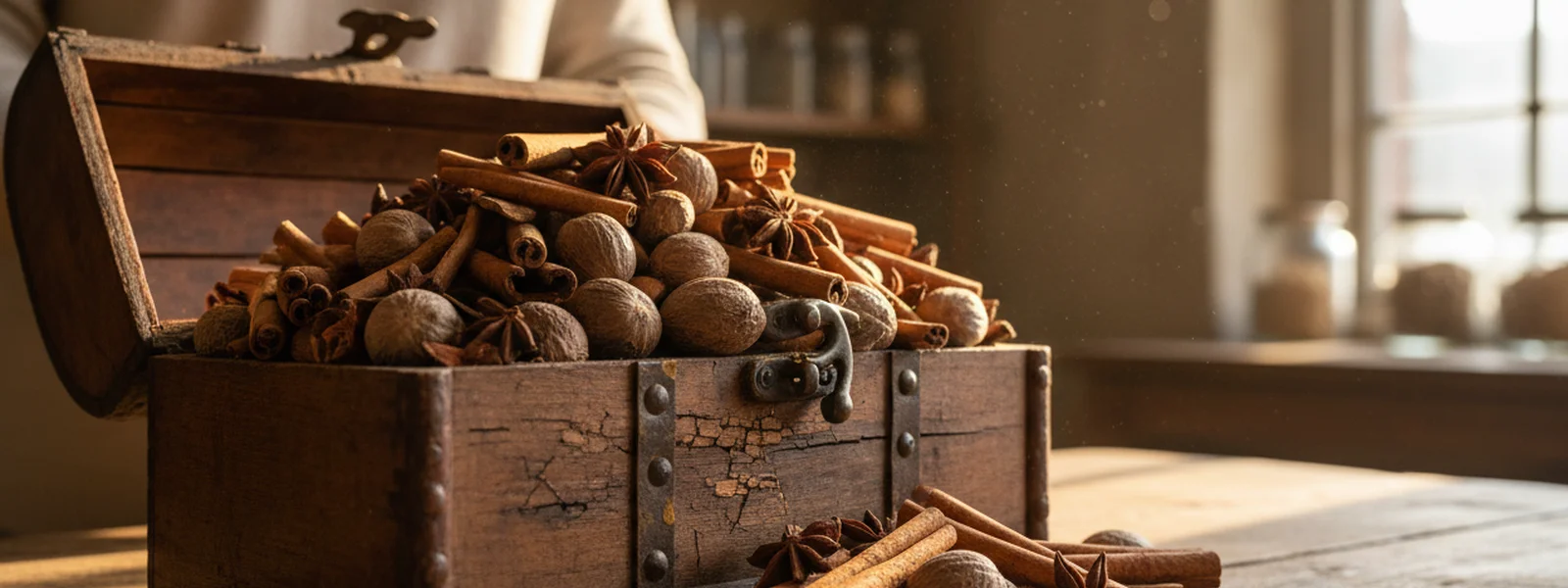
These precious spices were not easily obtained. They were often guarded by complex networks of traders, traveling by sea and land, transforming economies and sparking explorations. The Silk Road and maritime spice routes were arteries of global commerce, carrying these exotic ingredients from the East to the West. The demand for spices fueled voyages of discovery, fundamentally shaping the course of history and leading to the exchange of not just goods, but also ideas, technologies, and cultures. Imagine caravans laden with sacks of fragrant cinnamon bark or chests filled with precious nutmeg, making their arduous journey across continents.
As these spices reached Europe, they became status symbols, reserved for the wealthy and powerful. They were used not only in cooking but also in perfumes, medicines, and even as currency. The ability to afford and use these exotic flavors was a clear indicator of social standing. This historical reverence for spices laid the groundwork for their later association with special occasions and comforting traditions.
The Autumn Association: Harvest and Comfort
The connection between these spices and the autumn season is a gradual evolution rather than a sudden event. As societies became more agrarian, harvest festivals became central to community life. Foods made from the season's bounty, like pumpkins and apples, became staples. It was only natural that the most prized and warming flavors available would be incorporated into these harvest celebrations. The spices offered a sense of warmth and richness, perfectly complementing the cooling temperatures and the abundance of fall produce.
Cinnamon, with its sweet and comforting profile, became a particular favorite for baking. Nutmeg added a subtle warmth to custards and pies. Ginger provided a zesty counterpoint to richer dishes. Cloves brought a deep, resonant flavor that paired beautifully with baked goods and mulled beverages. Together, these spices created a flavor profile that was both familiar and festive, signaling the arrival of cooler weather and the gathering season.
Pumpkin Spice: A Modern Icon
While the individual spices have ancient roots, the specific blend we now know as "pumpkin spice" is a more recent phenomenon, largely popularized in the 20th century. The iconic Pumpkin Spice Shirts collection captures this modern embrace of fall flavors. The widespread availability of pre-mixed spice blends, coupled with savvy marketing, cemented pumpkin spice as the unofficial flavor of autumn. The Classic Jack-o-Lantern Face T-Shirt, for instance, embodies this festive spirit, representing the broader cultural embrace of the season.
The journey of these spices from exotic trade goods to everyday autumn staples is a testament to their enduring appeal. They connect us to a rich history of exploration and cultural exchange, while simultaneously grounding us in the comforting traditions of home and harvest. The next time you enjoy a pumpkin spice latte or a slice of pumpkin pie, take a moment to appreciate the thousands of years of history and the vast global journey that brought those flavors to your table.
The Evolution of Fall Flavors
The spices we commonly associate with autumn are not arbitrary. Their warming properties and rich aromas naturally lend themselves to cooler weather and the cozy atmosphere of the season. Consider the journey from ancient trade routes to the modern kitchen:
- Cinnamon: Once a luxury item traded across continents, now a staple in apple pies and cinnamon rolls, evoking warmth and sweetness.
- Nutmeg: From its origins as a guarded treasure to its place in custards and baked goods, nutmeg offers a delicate, warm spice that enhances many fall desserts.
- Ginger: Its pungent, warming quality makes it perfect for gingerbread, spiced cookies, and even savory dishes, providing a delightful kick.
- Cloves: Intensely aromatic, cloves add a deep, complex flavor to mulled cider, baked hams, and spiced cakes, embodying the richness of the harvest.
This blend became particularly synonymous with pumpkin due to the rise of pumpkin pie as a traditional dessert, especially in North America. The spices complement the mild, earthy flavor of pumpkin beautifully, creating a balanced and deeply satisfying taste experience. It's this harmonious combination that has made pumpkin spice so universally loved.
More Than Just a Trend
While pumpkin spice may seem like a modern trend, its roots are deeply embedded in centuries of culinary history and cultural practices. The spices themselves have been valued for their flavor, aroma, and even medicinal properties since antiquity. Their journey across continents and through various cultures has shaped not only our palates but also global economies and historical events. The association with autumn solidified over time as these warming spices became integral to harvest celebrations and cozy, home-based traditions.
Today, pumpkin spice is a cultural touchstone, signaling the start of fall and bringing a sense of comfort and nostalgia. It’s a flavor that invites us to slow down, gather with loved ones, and savor the season. Whether you're enjoying a Classic Jack-o-Lantern Face T-Shirt from our collection, baking a pie, or sipping a warm beverage, the spirit of pumpkin spice is about embracing the cozy heart of autumn.
The Enduring Appeal of Autumn Spices
The spices that form the foundation of pumpkin spice have a history as rich and complex as their flavors. Their journey from distant lands to our kitchens is a story of exploration, trade, and cultural exchange. These aromatic ingredients were once rare commodities, highly sought after for their unique properties. As trade routes expanded and global connections grew, these spices became more accessible, eventually weaving themselves into the culinary traditions of various cultures.
The association with autumn is a natural one. The warming notes of cinnamon, nutmeg, ginger, and cloves evoke a sense of comfort and coziness that perfectly complements the cooler weather and the harvest season. They are the flavors of gathering, of home-baked goods, and of traditions passed down through generations. This enduring appeal is why pumpkin spice continues to be a beloved hallmark of fall.
Bringing History to Your Wardrobe
Understanding the deep history behind pumpkin spice makes wearing a Classic Jack-o-Lantern Face T-Shirt or a cozy Classic Jack-o-Lantern Face T-Shirt" feel even more special. It's not just about celebrating a flavor; it's about connecting with centuries of tradition, trade, and the simple joy of autumn. Our Pumpkin Spice Shirts are designed to capture that feeling, offering a wearable piece of fall's rich cultural tapestry.
So, as you plan your autumn activities, from visiting the patch to carving pumpkins, remember the ancient roots of the flavors you enjoy. They are a reminder of how history, culture, and a love for good food and cozy seasons all come together. And if you're looking for the perfect way to express your love for fall, our collection of pumpkin shirts has something for every enthusiast.

Published by Pumpkin Shirts
The pumpkin is the point.
Frequently Asked Questions
What are the main spices in pumpkin spice?
The classic pumpkin spice blend typically includes cinnamon, nutmeg, ginger, and cloves. Sometimes allspice is also added to enhance the warm flavor profile.
When did pumpkin spice become popular?
While the individual spices have been used for centuries, the specific 'pumpkin spice' blend as a widely recognized flavor gained significant popularity in the late 20th and early 21st centuries, especially with the rise of seasonal coffee drinks and baked goods.
How did spices like cinnamon and nutmeg travel the world?
Spices like cinnamon and nutmeg were historically transported along ancient trade routes, such as the Silk Road and maritime spice routes. These were often long and perilous journeys involving many intermediaries, making the spices highly valuable commodities.
Why are these spices associated with autumn?
The warming and rich flavors of cinnamon, nutmeg, ginger, and cloves naturally complement the cooler weather and harvest season. They became integral to autumn celebrations and traditional fall baking, creating a comforting and festive aroma and taste.
Is pumpkin spice only used for pumpkin-flavored items?
While most famously associated with pumpkin pie and other pumpkin desserts, the pumpkin spice blend can be used to flavor a wide variety of items, including coffee, cookies, breads, candles, and even savory dishes, adding a warm, autumnal essence.
First Look at New Pumpkin Designs
New illustrations, patch stories, and heirloom variety guides — straight to your inbox before anyone else sees them.