
The Enduring Charm of the Connecticut Field Pumpkin
When you picture a classic fall display, what comes to mind? Chances are, you're envisioning that iconic, traditional orange pumpkin. For generations, the Connecticut Field pumpkin has been the quintessential choice for everything from porch decor to carving contests. It’s the pumpkin that graces countless autumn scenes, embodying the spirit of the harvest season with its familiar shape and vibrant hue.
This enduring popularity isn't accidental. The Connecticut Field pumpkin, often simply called the "field pumpkin" or "New England Pie Pumpkin," has a rich history rooted in American agriculture. It's a variety that has stood the test of time, proving itself reliable, versatile, and undeniably charming. If you're looking to capture that timeless fall feeling, understanding this classic pumpkin is your first step.
A Little History: From Colonial Fields to Modern Porches
The story of the Connecticut Field pumpkin stretches back centuries. Believed to have originated in the Northeastern United States, this variety was a staple crop for colonial farmers. Its resilience and adaptability made it well-suited to the New England climate, providing a valuable food source and a readily available material for decoration as autumn arrived.
Over time, as gardening and agriculture evolved, the Connecticut Field pumpkin remained a consistent favorite. While newer, more specialized varieties have emerged for specific purposes like pie-making or ornamental display, the Connecticut Field pumpkin has held its ground. Its widespread recognition and availability mean that any trip to a local patch or farm stand will likely yield this familiar friend.
Why the Connecticut Field Pumpkin Reigns Supreme for Decor
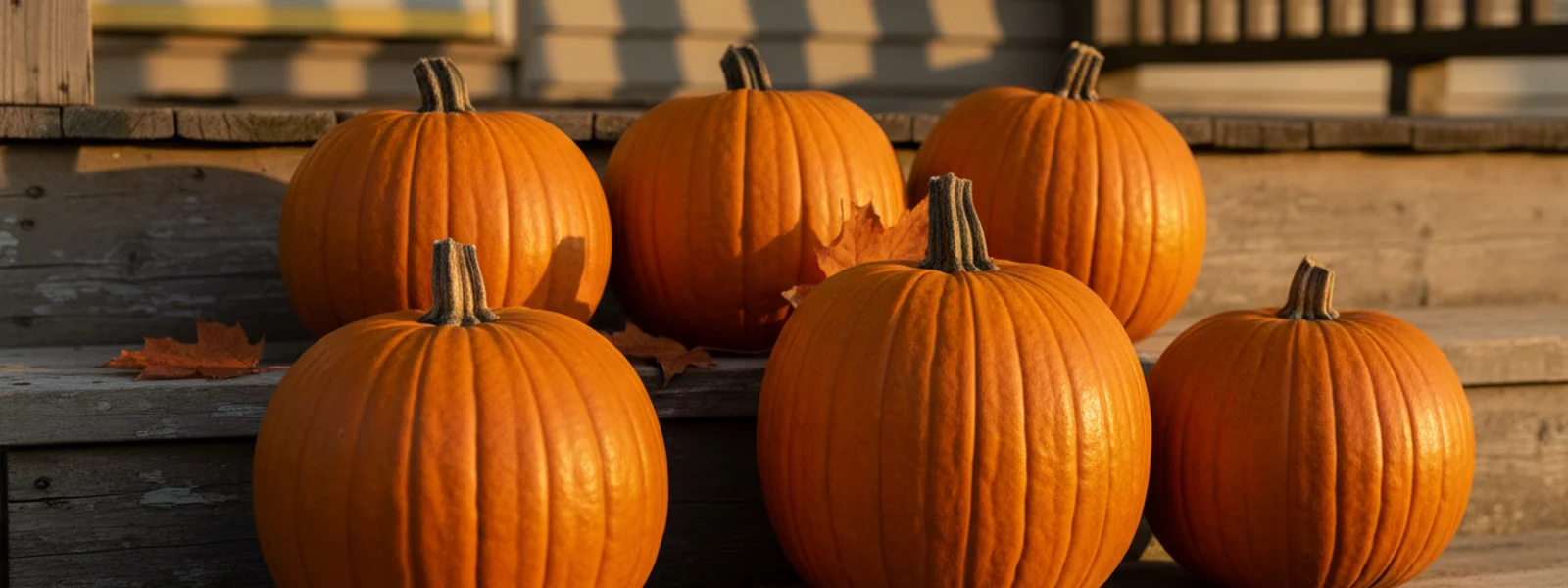
There's a reason this pumpkin is the go-to for traditional fall decor. Its appearance is almost universally recognized and appreciated. The Connecticut Field pumpkin typically presents a round to slightly oblong shape, with moderate ribbing that gives it a distinct, pleasing form. Its skin is a beautiful, solid orange color – not too pale, not too dark – that pops against the backdrop of changing leaves and early frost.
This consistent, appealing aesthetic makes it a perfect canvas for your autumn porch. Whether you place a single specimen on your doorstep or arrange a cluster of various sizes, the classic orange pumpkin provides an instant hit of fall spirit. It’s the foundation upon which many other seasonal decorations are built, from corn stalks and hay bales to mums and gourds.
For those who love to decorate their homes for the season, the seasonal decor possibilities with the Connecticut Field pumpkin are endless. They look wonderful nestled amongst faux leaves, perched on a hay bale, or even painted in complementary fall colors. It’s the reliable choice that always delivers that cozy, welcoming autumn vibe.
The Perfect Pumpkin for Carving
Beyond its decorative appeal, the Connecticut Field pumpkin is also a fantastic choice for carving. Its flesh is typically a bit thinner and less dense than dedicated pie pumpkins, making it easier to cut through with carving tools. This is a significant advantage when you're aiming for intricate designs or when carving with children who might not have the strength for tougher-skinned varieties.
The size of the Connecticut Field pumpkin is also ideal for carving. While they come in a range of sizes, many are medium-sized, offering enough surface area for a good-sized jack-o'-lantern without being overwhelmingly large to handle or display. This makes it a user-friendly option for families looking to create their own spooky or silly faces for Halloween night.
When selecting a pumpkin for carving, look for one that is firm with a smooth, unblemished surface. A good jack-o-lantern shirt can complement your carved creation perfectly. Ensure the stem is intact and the pumpkin sits flat without wobbling, which will make the carving process smoother and display easier.
Selecting Your Ideal Connecticut Field Pumpkin
Visiting a pumpkin patch is one of the quintessential fall activities. When you're there, looking for the Connecticut Field pumpkin is straightforward, but a few tips can help you pick the best one for your needs. As mentioned, firmness is key. Gently tap the pumpkin; it should sound hollow and feel solid.
Inspect the pumpkin for any soft spots, bruises, or mold, especially around the base and stem. These can indicate rot and will shorten the pumpkin's lifespan. A healthy stem, firm and attached securely, is also a good sign. It should be a deep brown or green, not dried out or shriveled.
Consider the size and shape based on your intended use. For carving, a medium-sized pumpkin with a relatively flat side might be easiest to work with. For a decorative display, you might prefer a larger specimen or a grouping of varying sizes. Remember, the pumpkin patch shirt you choose to wear on your adventure can be just as much a part of the memory.
Beyond the Patch: Tips for Longevity
Once you've brought your perfect Connecticut Field pumpkin home, you'll want it to last as long as possible, whether it’s for decoration or carving. For decorative pumpkins, keep them in a cool, dry place away from direct sunlight, which can cause them to fade or dry out prematurely. Avoid placing them directly on damp surfaces, as this can encourage rot.
If you plan to carve your pumpkin, do so only a few days before Halloween to maximize its freshness. Once carved, you can extend its life by applying petroleum jelly or a bleach solution (1 tablespoon bleach per quart of water) to the inside surfaces and cut edges. This helps prevent mold and dehydration. For those who love the look but want zero decay, consider a durable Classic Jack-o-Lantern Face T-Shirt that captures the spirit all season long.
Even after Halloween, the spirit of the Connecticut Field pumpkin can live on. Many people find that these pumpkins, while perhaps too soft for elaborate carving, are still perfectly suitable for cooking. Their flavor is mild and slightly sweet, making them a versatile ingredient for pies, soups, and breads.
A Culinary Companion: Cooking with Field Pumpkins
While often overshadowed by heirlooms like the Cinderella or Sugar Pie pumpkin, the Connecticut Field pumpkin is a perfectly capable culinary pumpkin. Its flesh has a pleasant, mild sweetness and a slightly fibrous texture that works well in many recipes. If you find yourself with a field pumpkin after its decorative duty is done, don't discard it!
To prepare it for cooking, simply cut it in half, scoop out the seeds and stringy bits, and roast it cut-side down on a baking sheet at around 375°F (190°C) until tender. The roasted flesh can then be mashed or pureed and used in a variety of dishes. It's a wonderful way to extend the life of your fall decor and enjoy the flavors of the season. For those who adore these culinary aspects, our Pumpkin Spice Shirts collection offers designs that celebrate the entire harvest.
Imagine making a warm pumpkin bread or a comforting bowl of pumpkin soup using the very pumpkin that graced your doorstep. It’s a full-circle moment that truly captures the essence of the harvest. For more ideas on enjoying pumpkin beyond carving, explore our related articles like Musquee de Provence: The Heirloom Pumpkin That Looks Like a French Cheese or Your Guide to Growing the Perfect Cinderella Pumpkin.
The Timeless Appeal of the Classic Orange
The Connecticut Field pumpkin represents more than just a seasonal decoration or a carving medium; it embodies a tradition. It’s a symbol of autumn’s arrival, of family gatherings, and of the simple joy found in the harvest season. Its reliable charm and versatility have cemented its place in fall celebrations for generations.
Whether you're selecting the perfect pumpkin for your front porch display, planning an elaborate jack-o'-lantern, or simply seeking to capture the quintessential fall aesthetic, the Connecticut Field pumpkin remains an unparalleled choice. Its classic orange hue and familiar shape are a comforting reminder of the season’s bounty. When you wear a Classic Jack-o-Lantern Face T-Shirt, you’re embracing this enduring tradition.
So, as you plan your fall decor and activities, remember the humble yet mighty Connecticut Field pumpkin. It’s the classic orange that delivers timeless appeal, making every autumn moment a little more special. For more inspiration on celebrating the season, explore our complete range of hand-drawn pumpkin shirts, each designed to help you embrace your favorite fall moments.

Published by Pumpkin Shirts
The pumpkin is the point.
Frequently Asked Questions
What makes the Connecticut Field pumpkin good for carving?
The Connecticut Field pumpkin is ideal for carving because its flesh is typically thinner and easier to cut than denser pie pumpkins. Its medium size also offers a good surface area for designs without being too cumbersome to handle.
How long does a Connecticut Field pumpkin typically last?
For decorative pumpkins, keeping them in a cool, dry place away from direct sunlight can help them last for several weeks. For carved pumpkins, treating the inside with a bleach solution or petroleum jelly can extend their freshness for about a week, especially if carved closer to Halloween.
Can you cook with a Connecticut Field pumpkin?
Yes, absolutely. While not as sweet as dedicated pie varieties, the Connecticut Field pumpkin's flesh is mild and slightly sweet, making it suitable for roasting, pureeing, and using in pies, soups, or breads after its decorative life is over.
How do I select the best Connecticut Field pumpkin at a patch?
Look for a pumpkin that is firm to the touch and sounds hollow when tapped. Inspect it for any soft spots, bruises, or mold, and ensure the stem is firm and well-attached. A flat base is also helpful for display.
Why is the Connecticut Field pumpkin considered a 'classic' fall pumpkin?
It's considered a classic due to its long history in American agriculture, its instantly recognizable traditional orange color, and its versatile use for both decoration and carving. It embodies the quintessential image of autumn for many people.
First Look at New Pumpkin Designs
New illustrations, patch stories, and heirloom variety guides — straight to your inbox before anyone else sees them.