
The Ancient Roots of Pumpkin Spice: A Deep Dive into Fall Flavors
It’s that time of year again. The air takes on a certain crispness, the leaves begin their colorful descent, and a familiar, comforting aroma starts to waft from coffee shops and kitchens alike: pumpkin spice. But have you ever stopped to wonder where this beloved flavor combination comes from? The story of pumpkin spice is more than just a modern marketing phenomenon; it's a journey steeped in history, trade, and the enduring human love for the harvest.
While we often associate pumpkin spice with a single, singular flavor profile today, its roots are far more complex and global. The concept of combining warming spices with autumnal produce is ancient, drawing from trade routes that brought exotic flavors to kitchens across continents. Long before the first pumpkin spice latte was ever dreamed up, cultures around the world were celebrating the harvest with spiced treats.
The spices we commonly associate with pumpkin spice – cinnamon, nutmeg, cloves, and ginger – have a rich history of their own. These were once rare and precious commodities, traded across vast distances and prized for their ability to preserve food and add warmth and depth to dishes. Their union with the humble pumpkin, a staple of North American agriculture and a symbol of autumn abundance, was a natural, albeit evolving, progression.
From Harvest Festivals to Kitchen Pantries
Pumpkins themselves have a history stretching back thousands of years, first cultivated by indigenous peoples in the Americas. They were a vital food source, providing sustenance through the long winter months. As European settlers arrived, they adopted pumpkins into their diets, and it’s here that the blending of spices began to take more familiar forms.
Early American colonists, accustomed to the spices of Europe, began incorporating cinnamon, nutmeg, and cloves into their baked goods, including pies made with pumpkin. These weren’t necessarily labeled “pumpkin spice” as we know it, but the foundational flavor profile was being established. Think of the early pumpkin pies, often seasoned with a blend of these warming spices, a true taste of colonial autumn.
The idea of a pre-mixed spice blend for pumpkin pies gained more traction in the 19th and early 20th centuries. As spices became more accessible, companies began selling “pumpkin pie spice” mixes. This made it easier for home bakers to achieve that quintessential fall flavor without having to measure out each individual spice. It was a convenience that helped solidify the blend’s place in the American culinary landscape.
The Modern Renaissance: Pumpkin Spice Goes Mainstream
Fast forward to the early 2000s. The pumpkin spice phenomenon as we know it today truly exploded with the introduction of the Pumpkin Spice Latte by a certain popular coffee chain. This single beverage tapped into a deep cultural yearning for the cozy, nostalgic feelings associated with autumn, and it catapulted pumpkin spice from a pie-season ingredient to a year-round cultural touchstone (or at least, a late August-to-November obsession).
This modern obsession has, of course, led to pumpkin spice everything: candles, cookies, cereals, even toothpaste. While some may scoff at the ubiquity, it speaks to the powerful emotional connection people have with this flavor. It represents comfort, warmth, and the simple joy of the changing seasons.
For those of us who truly embrace the fall spirit, the aroma and taste of pumpkin spice are more than just fleeting trends; they are markers of a beloved season. It’s a reminder of cozy evenings, vibrant foliage, and the simple pleasure of a warm mug in hand. The modern pumpkin spice shirts capture this feeling, allowing us to wear our autumnal enthusiasm.
Beyond the Latte: Embracing the Full Spectrum of Pumpkin
While the PSL might be the most visible ambassador of pumpkin spice, the essence of autumn and harvest extends far beyond a single beverage. The rich history of pumpkins encompasses so much more, from their varied heirloom varieties to their role in celebrations and folklore.
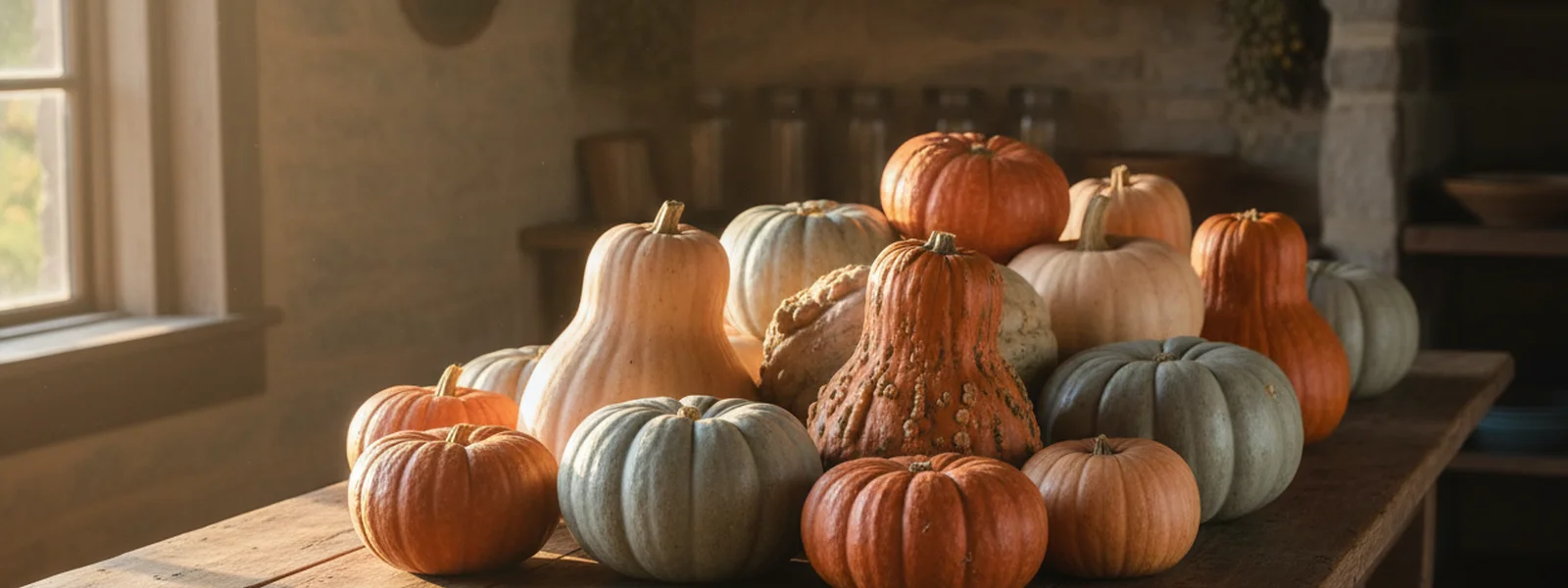
Consider the diversity of pumpkins themselves. Varieties like the Cinderella, with its deep ribs and pale orange hue, or the Jarrahdale, a stunning blue-grey stunner, offer visual and culinary delights. These heirloom pumpkin shirts celebrate the natural beauty of these gourds, moving beyond just the spice blend to honor the pumpkin in its many forms.
The pumpkin patch itself is a quintessential fall destination, a place where memories are made. Whether you're searching for the perfect carving specimen or simply soaking in the autumnal atmosphere, the patch embodies the harvest spirit. It’s a tradition that connects us to the land and the bounty it provides.
And then there are the traditions of carving. The jack-o'-lantern, a symbol of Halloween and autumn, has its own rich folklore, often tied to warding off spirits or illuminating paths. Our jack-o'-lantern shirts pay homage to this classic symbol, blending the spooky and the festive.
The Folklore of Pumpkins: Tales from Around the Autumn Hearth
Pumpkins and gourds have woven themselves into the fabric of folklore and mythology across various cultures, often symbolizing abundance, transformation, and the cyclical nature of life. Their prominent place in harvest festivals worldwide is no accident; they are a tangible representation of a successful growing season.
In many Native American traditions, pumpkins were revered not just as food but as symbols of fertility and spiritual connection. Stories often featured them as gifts from the earth or as elements in creation myths. The act of harvesting was often accompanied by rituals and celebrations to thank the earth for its bounty, with pumpkins playing a central role.
Across the Atlantic, in European folklore, gourds and pumpkins sometimes appeared in tales related to harvest spirits or protective charms. While the iconic jack-o'-lantern has distinct Irish roots (linked to the legend of Stingy Jack), the broader concept of using gourds for light or as symbols of prosperity can be found in various European traditions. These tales often highlight the pumpkin's transition from a simple crop to a figure of myth and legend.
Regional tales abound, particularly in North America, where the widespread cultivation of pumpkins led to many local stories. Some speak of magical pumpkins that grow overnight, while others tell of mischievous spirits that inhabit pumpkin patches on cool autumn evenings. These charming patch adventures and stories add a layer of enchantment to the season.
Even the culinary aspect of pumpkins is steeped in tradition. The development of recipes for pumpkin pies, breads, and soups evolved over centuries, passed down through generations. The specific blend of spices we now call “pumpkin spice” became a signature of fall baking, a comforting constant in a world of change.
Carving Out a Place in Our Hearts
The act of carving a pumpkin is itself a ritual for many. It’s a creative outlet, a way to engage with the Halloween spirit, and a chance to craft a unique decoration. From simple, smiling faces to intricate, scary designs, the carved pumpkin is a temporary work of art, illuminated by candlelight or LED lights.
Our carving tips and designs aim to inspire your own creations. Whether you're a seasoned pro with a Dremel or a beginner with a simple knife, the process is part of the fun. The resulting jack-o'-lanterns, perched on porches and windowsills, become beacons of the season, embodying both the festive and the slightly eerie aspects of autumn.
The cute pumpkin shirts often feature friendly, smiling faces, reflecting the joy and whimsy that pumpkins bring to many families, especially children. These designs capture the lighthearted side of the season, perfect for those who prefer their autumn charm with a dose of sweetness.
The Enduring Allure of the Pumpkin
From its ancient origins as a vital food source to its modern status as a symbol of fall and Halloween, the pumpkin has journeyed through history, culture, and cuisine. The story of pumpkin spice is just one chapter in its long and rich narrative.
Whether you’re drawn to the comforting warmth of the spice blend, the visual beauty of heirloom varieties, the thrill of carving a jack-o'-lantern, or the simple joy of a trip to the pumpkin patch, the pumpkin holds a special place in our autumnal traditions. It’s a symbol of harvest, of community, and of the cozy, magical feeling that defines this time of year.
So, the next time you savor a pumpkin spice treat or admire a carved jack-o'-lantern, remember the deep history and folklore that surrounds this remarkable gourd. It’s a story that continues to unfold, season after season, hearth after hearth.
For those who wish to carry this autumnal spirit with them, our collection of all pumpkin shirts offers a way to celebrate the season every day. From subtle botanical illustrations to bold, festive designs, there’s a shirt to match every pumpkin person's style.

Published by Pumpkin Shirts
The pumpkin is the point.
Frequently Asked Questions
What are the origins of pumpkin spice?
The origins of pumpkin spice are rooted in the historical trade of warming spices like cinnamon, nutmeg, cloves, and ginger. These spices were combined with pumpkins in early American baking, particularly in pies, laying the groundwork for the modern blend.
What is the cultural significance of pumpkins in harvest festivals?
Globally, pumpkins and gourds are significant in harvest festivals as symbols of abundance, fertility, and a successful growing season. They represent the bounty of the earth and are often central to celebrations marking the end of the harvest period.
Are there any specific regional tales about pumpkins?
Yes, many regions have unique tales. The iconic jack-o'-lantern has Irish roots tied to the legend of Stingy Jack. Other stories often involve magical pumpkins, spirits in pumpkin patches, or the pumpkin as a symbol of prosperity and good fortune.
How did pumpkins become a symbol of Halloween?
The association with Halloween largely stems from the tradition of carving jack-o'-lanterns, inspired by European folklore. These carved gourds were used to ward off evil spirits and later became a festive decoration and symbol of the spooky season.
What is the difference between heirloom pumpkins and standard carving pumpkins?
Heirloom pumpkins, such as Cinderella or Jarrahdale, are often prized for their unique colors, shapes, and flavors, making them excellent for culinary use or decorative displays. Standard carving pumpkins are typically bred for size and ease of carving, though their flavor can be less desirable.
Why is pumpkin spice so popular today?
The popularity of pumpkin spice today is largely due to its strong association with autumn comfort and nostalgia, amplified by its widespread use in seasonal beverages and foods, particularly the Pumpkin Spice Latte. It evokes feelings of warmth and coziness.
First Look at New Pumpkin Designs
New illustrations, patch stories, and heirloom variety guides — straight to your inbox before anyone else sees them.