
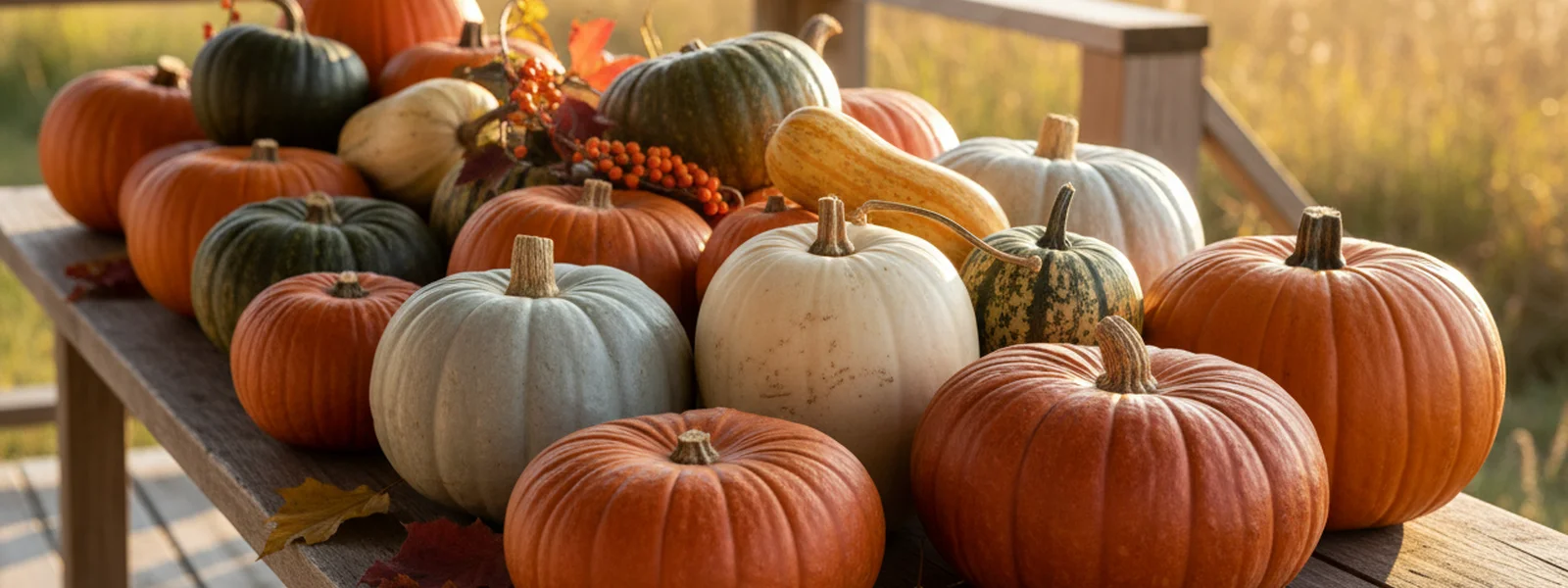
The Global Journey of the Pumpkin: A Culinary and Cultural History
It's a familiar sight on porches and in pies, but have you ever wondered about the long and winding road the humble pumpkin has taken to reach our autumn tables? The origin of pumpkin, as with many beloved crops, is a story of ancient cultivation, global exploration, and surprising culinary adaptability. Far from being a mere Halloween decoration, the pumpkin is a testament to human ingenuity and the interconnectedness of our food systems.
The story of the pumpkin begins not in a bustling modern grocery store, but in the fertile lands of the Americas, thousands of years ago. Archaeological evidence points to the domestication of various squash species, including those we now call pumpkins, in Mesoamerica as far back as 7,500 BCE. These early gourds were not the vibrant orange orbs we recognize today; they were likely smaller, tougher, and less sweet. However, their nutritional value and versatility made them a crucial staple for indigenous peoples across North and South America.
These ancient American crops were foundational to many diets. Indigenous communities cultivated a variety of squash, using them in stews, roasting them, and even grinding their seeds for flour. The pumpkin's ability to grow in diverse climates and its long shelf life made it an invaluable food source, particularly during leaner months. Its seeds also provided essential proteins and fats, further solidifying its importance in pre-Columbian agriculture.
Our Heirloom Pumpkin Shirts collection celebrates these unique varieties, featuring elegant botanical illustrations of pumpkins like the Cinderella and Jarrahdale.
When European explorers arrived in the Americas, they encountered this remarkable fruit. Initially, they were met with skepticism, but the pumpkin's resilience and utility soon won them over. Spanish explorers called them 'calabaza,' and they quickly became a valuable commodity to be transported back to Europe. The journey across the Atlantic marked the beginning of the pumpkin's global expansion.
In Europe, the pumpkin found new homes and new culinary interpretations. Different regions embraced the squash, adapting it to their own cuisines. In France, the pale, ribbed Cinderella pumpkin became a celebrated heirloom variety, prized for its distinctive appearance and sweet flesh, even if its pie-making capabilities are sometimes debated by purists. In Italy, various squash varieties were incorporated into pasta fillings and risottos. The pumpkin's adaptability allowed it to integrate seamlessly into European culinary traditions.
The spread continued with colonization and trade. Pumpkins traveled with settlers to Africa, Asia, and Australia, adapting to new soils and climates. While not native, they became integrated into local foodways, often appearing in savory dishes, soups, and even desserts, demonstrating their incredible versatility. This global journey transformed the pumpkin from a regional staple into a truly international food.
Culinary Adaptability: More Than Just Pie
While pumpkin pie is perhaps the most famous pumpkin preparation in North America, the culinary history of pumpkin is far richer and more diverse. Across the globe, cooks have discovered myriad ways to prepare this versatile squash. From savory pumpkin soups and stews in Europe and Asia to roasted pumpkin seeds seasoned with local spices, the pumpkin adapts beautifully to a vast array of flavors and cooking methods.
Consider the humble sugar pumpkin, often recommended as the best pumpkin for pie due to its dense, sweet flesh. But this same variety, or its heirloom cousins like the Jarrahdale or Fairytale pumpkin, can be roasted and pureed for creamy risottos, blended into hearty breads, or even transformed into flavorful curries. The seeds, when roasted and seasoned, offer a crunchy, nutritious snack that's perfect any time of year.
For those who appreciate the classic carved look, our Classic Jack-o-Lantern Face T-Shirt captures that spirit, perfect for any occasion where pumpkins are celebrated.
The rise of pumpkin spice culture, particularly in North America, has further cemented the pumpkin's place in our culinary landscape. While the blend itself is a modern invention, it taps into a deep-seated appreciation for the warm, comforting flavors associated with autumn harvests. The ubiquitous Pumpkin Spice Latte is just the tip of the iceberg; pumpkin spice finds its way into cookies, muffins, breads, and even savory dishes, showcasing its broad appeal.
The Pumpkin in Culture and Tradition
Beyond its culinary significance, the pumpkin holds a special place in cultural traditions worldwide. In North America, the jack-o'-lantern has become an iconic symbol of Halloween, representing a playful blend of spooky and festive. Carving pumpkins is a cherished autumnal activity, a creative outlet that brings families and communities together. The tradition itself likely has roots in older folklore, where carved turnips or other root vegetables were used to ward off spirits.
Our Jack-o'-Lantern Shirts collection features a variety of designs that celebrate this carving tradition, from friendly faces to more sinister grins.
The pumpkin patch itself has become a cultural touchstone for autumn. Visiting a pumpkin patch is a quintessential fall experience, evoking feelings of nostalgia, family fun, and connection to the harvest. It's a place where the journey of the pumpkin from seed to harvest can be observed firsthand, reinforcing its importance in our seasonal celebrations.
The cultural significance of the pumpkin extends beyond Halloween and autumn harvests. In many cultures, squash and gourds symbolize abundance, fertility, and good fortune. Their round shape and connection to the earth resonate with themes of growth and sustenance. This deep-rooted symbolism contributes to the pumpkin's enduring appeal across different societies and time periods.
Embrace the cozy essence of autumn with our Pumpkin Spice Shirts, perfect for every PSL enthusiast who loves the flavors of fall.
The pumpkin's journey from ancient American crop to global culinary and cultural icon is a remarkable tale. Its ability to thrive in diverse environments, adapt to countless recipes, and embed itself in traditions speaks to its enduring power and appeal. So, the next time you admire a carved jack-o'-lantern or savor a slice of pumpkin pie, remember the millennia of history and the vast global journey that brought this beloved squash to your doorstep.
Whether you're drawn to its rich culinary history, its role in seasonal traditions, or its simple aesthetic charm, the pumpkin continues to be a source of delight and sustenance. Its story is a reminder of how food connects us to the past, to different cultures, and to the natural world around us. It's a journey that's still unfolding, with new recipes and traditions being created every year.
For those interested in the visual artistry of pumpkins, our range of apparel celebrates their diverse forms. From the detailed botanical illustrations found in our Heirloom Pumpkin Shirts to the playful characters in our Pumpkin Character Shirts, there's a design to honor every facet of the pumpkin's global story.
The history of squash cultivation is a fascinating field, revealing how early civilizations developed these versatile plants. Understanding the origin of pumpkin helps us appreciate its role not just as a fall decoration, but as a fundamental food source that has sustained communities for centuries. Its spread across continents is a testament to its adaptability and the ingenuity of farmers and cooks throughout history.
This rich history is why we at Pumpkin Shirts are so passionate about celebrating the pumpkin in all its forms. Our designs aim to capture the essence of these ancient crops and their journey. Whether it's a classic jack-o'-lantern or an elegant heirloom variety, each shirt tells a part of the pumpkin's global story.
Browse our complete range of hand-drawn pumpkin shirts for every fall occasion and style, and wear a piece of pumpkin history.

Published by Pumpkin Shirts
The pumpkin is the point.
Frequently Asked Questions
Where did pumpkins originate?
Pumpkins, or more broadly, squash species, originated in the Americas. Archaeological evidence suggests they were domesticated in Mesoamerica as early as 7,500 BCE, making them one of the earliest cultivated crops.
How did pumpkins spread around the world?
Following the European exploration of the Americas, pumpkins were transported back to Europe. From there, they spread through trade routes and colonization to Africa, Asia, and Australia, adapting to various climates and cuisines.
What are some traditional uses of pumpkins outside of pies?
Pumpkins are incredibly versatile. They are used in savory dishes like soups, stews, and risottos, roasted as a side dish, and their seeds are often roasted for snacks. Many cultures also incorporate them into breads and other baked goods.
What is the cultural significance of pumpkins?
In North America, pumpkins are strongly associated with autumn, harvest festivals, and Halloween, particularly as jack-o'-lanterns. Globally, squash and gourds often symbolize abundance, fertility, and sustenance due to their connection to the earth and harvest.
Are all pumpkins good for cooking?
While many pumpkins can be eaten, varieties like the sugar pumpkin, Cinderella, and Jarrahdale are often preferred for culinary uses due to their denser, sweeter flesh. Larger carving pumpkins tend to be more watery and less flavorful for cooking.
What role did pumpkins play in ancient American diets?
Pumpkins and other squash were a crucial staple crop for indigenous peoples in the Americas. They provided essential nutrients, were cultivated alongside beans and corn (the "three sisters"), and were used in a variety of preparations for their flesh and seeds.
First Look at New Pumpkin Designs
New illustrations, patch stories, and heirloom variety guides — straight to your inbox before anyone else sees them.