
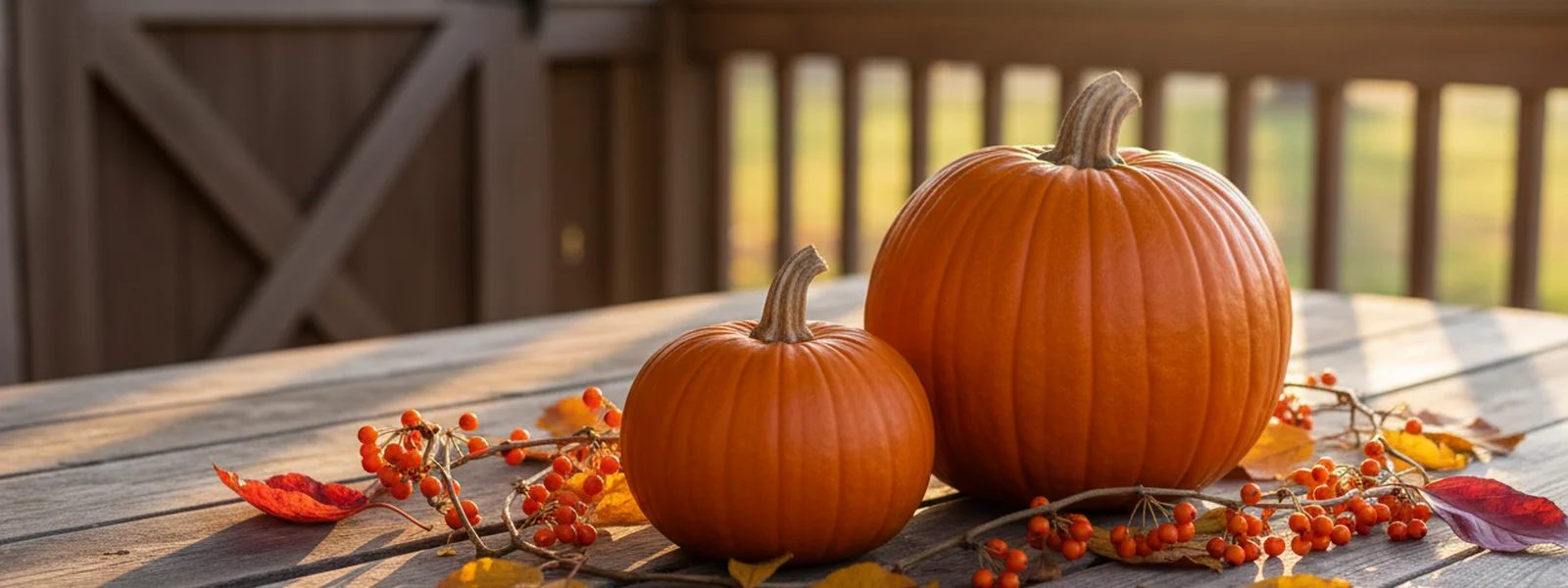
The Great Pumpkin Debate: Pie Pumpkins vs. Carving Pumpkins
It’s that magical time of year when pumpkins begin to appear everywhere, from front porches to grocery store aisles. As we eagerly plan our fall decor and culinary adventures, a common question arises: can the same pumpkin be used for both carving and baking? The short answer is no, and understanding the difference between pie pumpkins and carving pumpkins is key to a successful Halloween and a delicious Thanksgiving. While they might look similar from the outside, their internal structures and flavor profiles are worlds apart. This guide will help you choose the best pumpkin for your needs, ensuring your jack-o'-lanterns are spooky and your pies are sweet and savory.
The best pumpkin for pie is not the one you’ll want to carve. Pie pumpkins are typically smaller, denser, and have a sweeter, more complex flavor. They contain less water and more flesh, making them ideal for purees and baked goods. Conversely, carving pumpkins are bred for size and a sturdy rind that’s easy to cut through. Their flesh is often watery and less flavorful, and they can develop a stringy texture when cooked. Knowing these distinctions will save you from a disappointing pie or a lopsided jack-o'-lantern.
Understanding Pumpkin Varieties
Pumpkins belong to the squash family, and within that family, there's a vast array of varieties, each with unique characteristics. When we talk about pumpkins, we're often referring to varieties within the *Cucurbita pepo*, *Cucurbita maxima*, or *Cucurbita moschata* species. The distinction between a pie pumpkin and a carving pumpkin often comes down to which species and specific cultivar they are.
For baking, you’ll want varieties that are dense, sweet, and smooth when cooked. These are often smaller, with a more rustic appearance. Think of heirloom varieties that have been cultivated for flavor over centuries. On the other hand, carving pumpkins are selected for their visual appeal when transformed into jack-o'-lanterns. They need to be large enough to accommodate intricate designs and strong enough to hold their shape for a few weeks.
The Best Pumpkins for Pie
When selecting a pumpkin for baking, look for smaller, rounder fruits with a deep, uniform color and a hard rind. These pumpkins generally have denser flesh, fewer seeds, and a sweeter, less watery interior. Varieties like the Sugar Pumpkin, also known as a New England Pie Pumpkin, are champions for a reason. They are bred for their smooth texture and rich flavor, making them the go-to for anything from pumpkin pie to pumpkin bread. You can explore these delightful varieties in our Heirloom Pumpkin Shirts collection, celebrating the unique beauty of these baking stars.
Other excellent choices include the Cinderella pumpkin (Rouge Vif d'Etampes), which, despite its fairytale appearance, offers a dense, sweet flesh perfect for pies and soups. The Jarrahdale pumpkin, with its unique blue-grey skin, is another flavorful option. Even smaller varieties like the Baby Bear or Small Sugar are fantastic for pies, as they offer concentrated flavor and are easy to handle. If you're looking for shirts that capture the charm of these heirloom beauties, our Heirloom Pumpkin Shirts collection features designs inspired by these very varieties.
When you find the perfect pie pumpkin, remember that its skin might be tough to cut through, but the reward is worth the effort. A good pie pumpkin will yield a smooth, flavorful puree that forms the base of countless autumnal delights. If you're captivated by the charm of these unique gourds, you might find a kindred spirit in our Heirloom Pumpkin Shirts.
The Best Pumpkins for Carving
For those aspiring to create the most impressive jack-o'-lanterns, size and carvability are paramount. Carving pumpkins, often referred to as "field pumpkins" or "Halloween pumpkins,

Published by Pumpkin Shirts
The pumpkin is the point.
Frequently Asked Questions
Can I use a carving pumpkin for pie?
While you technically can, it's not recommended. Carving pumpkins are bred for size and ease of carving, not for flavor or texture. They tend to be watery, stringy, and less sweet, resulting in a subpar pie.
What makes a pumpkin good for pie?
Pie pumpkins are typically smaller, denser, and have a sweeter, richer flavor with less water content. Varieties like Sugar Pumpkins, Cinderella, and Jarrahdale are excellent choices for baking because of their smooth, flavorful flesh.
What makes a pumpkin good for carving?
Carving pumpkins are selected for their large size, sturdy rind, and hollow interior, making them easy to cut and shape into jack-o'-lanterns. Varieties like Howden and Jack O' Lantern are popular for their size and carvability, though their flesh isn't ideal for eating.
How do I store a pie pumpkin before baking?
Store whole pie pumpkins in a cool, dry, well-ventilated place, similar to how you'd store winter squash. Avoid storing them in high humidity or direct sunlight. Once cut, puree the flesh and store it in the refrigerator for a few days or freeze it for longer preservation.
How do I make my carved pumpkin last longer?
To help your carved pumpkin last longer, keep it in a cool spot away from direct sunlight and extreme temperatures. You can also apply petroleum jelly or vegetable oil to the cut edges to help seal in moisture and prevent drying. Some people also use a bleach solution to wipe down the inside to deter mold.
Are heirloom pumpkins good for baking?
Yes, many heirloom pumpkin varieties are excellent for baking. Pumpkins like the Cinderella (Rouge Vif d'Etampes) and Jarrahdale are prized for their dense, sweet flesh and unique flavors, making them wonderful alternatives to standard pie pumpkins.
First Look at New Pumpkin Designs
New illustrations, patch stories, and heirloom variety guides — straight to your inbox before anyone else sees them.