
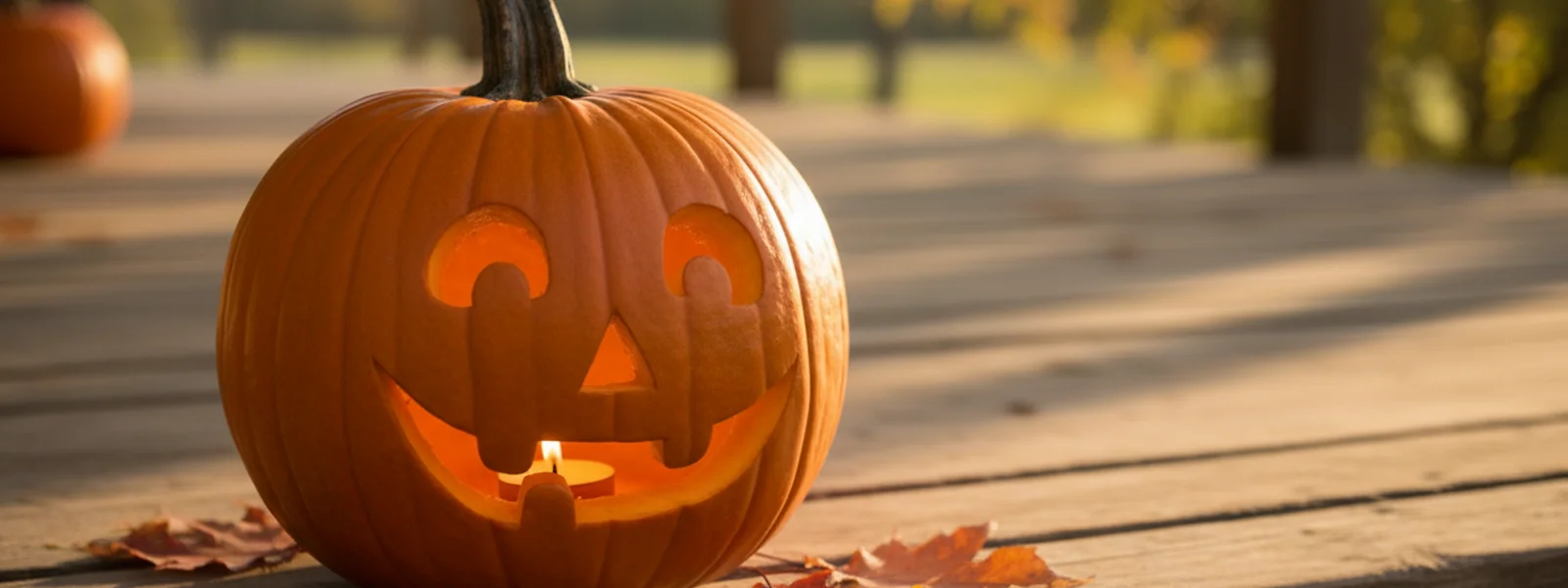
The Uncarved Life: Preparing Your Pumpkin for a Long and Glorious Display
It's that magical time of year again. The air is getting crisp, the leaves are starting to turn, and the irresistible urge to carve a pumpkin has struck. But there's a common disappointment that follows: that beautiful jack-o'-lantern you spent hours creating starts to sag, shrink, and turn into a sad, moldy mess within days. Don't let your hard work go to waste! With a few simple preparation steps and some clever techniques, you can significantly extend your carved pumpkin's lifespan and enjoy its spooky charm for weeks, not just days. Learning how to carve a pumpkin that won't rot in 48 hours is an art, and we're here to share the secrets.
Before You Carve: Selecting the Perfect Canvas
The journey to a long-lasting jack-o'-lantern begins before you even pick up a carving tool. The health and type of pumpkin you choose play a significant role in its longevity. When selecting your pumpkin at the patch, look for one that feels firm and heavy for its size. Avoid pumpkins with soft spots, bruises, or mold, as these are signs of decay that will only spread. A healthy, robust pumpkin will naturally last longer.
Consider the variety, too. While all pumpkins are susceptible to rot, some are naturally hardier. For carving, thicker-walled pumpkins tend to hold up a bit better than the super-thin-skinned varieties often preferred for pie. For those who love a specific heirloom variety for its beauty, like the pale orange
Cinderella Pumpkin Tee
The Art of the Interior: Cleaning and Treating
Once you've chosen your pumpkin, it's time for the crucial interior work. First, cut your lid. Instead of cutting straight across, angle your knife inward, following the natural curve of the pumpkin. This creates a ledge for the lid to rest on, preventing it from falling inside. When you remove the lid, try to cut out the stem cleanly so it can be reinserted later.
Next, and this is a vital step for pumpkin preservation, is to thoroughly clean out the inside. Scrape away all the seeds and stringy pulp. Use a sturdy spoon or a specialized pumpkin-scraping tool. The cleaner you get the interior, the less organic material there is for mold and bacteria to feed on. For an extra layer of protection, many people swear by treating the inside of the pumpkin. A popular method is to coat the scraped interior with petroleum jelly or a thin layer of vegetable oil. This creates a barrier that helps seal in moisture and prevent the pumpkin from drying out too quickly, while also offering some protection against mold.
Dealing with the Scraps: A Quick Note on Recipes
Don't toss those pumpkin innards! The seeds can be roasted into a delicious, crunchy snack. Simply rinse the seeds, toss them with a little olive oil and salt (or your favorite spices), and roast on a baking sheet at around 300°F (150°C) until golden brown and crisp. It’s a fantastic way to minimize waste and enjoy a tasty treat. For those who appreciate the culinary side of pumpkins, consider using smaller, pie-specific varieties for baking and reserving your larger carving pumpkins for display. A pie made from a
Sugar Pumpkin Illustration Sweatshirt
Exterior Treatments: Sprays, Soaks, and Beyond
After cleaning the interior, you can further protect your pumpkin by treating its exterior. There are several methods, and many people find a combination works best for maximum pumpkin preservation.
The Bleach Soak (Use with Caution)
A widely recommended, though sometimes debated, method involves a diluted bleach solution. Mix one tablespoon of bleach with one quart of water. You can either spray this solution liberally all over the carved pumpkin, inside and out, or you can use a small basin to soak the entire pumpkin for a few minutes. The bleach acts as a disinfectant, killing off any mold spores or bacteria that could cause rot. Be sure to wear gloves and work in a well-ventilated area. After soaking or spraying, rinse the pumpkin thoroughly with plain water and pat it completely dry with paper towels before displaying.
Natural Alternatives: Copper or Neem Oil
If you prefer to avoid bleach, there are natural alternatives. Some people have success using copper anti-fungal spray (available at garden centers) on the interior and exterior. Another option is a diluted neem oil solution, which has natural antifungal and insecticidal properties. Always test these on a small, inconspicuous area first to ensure they don't discolor your pumpkin.
Pumpkin Carving Kits for Precision
Using the right tools can also make a difference. While a standard kitchen knife can work, specialized
jack-o'-lantern carving kits
Display and Maintenance: Keeping Your Jack-o'-Lantern Happy
Where and how you display your carved pumpkin is just as important as how you prepare it. Avoid direct sunlight, which can quickly dry out and cook your pumpkin, accelerating decay. A shaded porch or a cool, indoor spot is ideal. If you're using a candle inside, consider using a battery-operated LED candle instead of a real flame. Real flames generate heat that can cook the inside of the pumpkin, and they also pose a fire risk. LED lights provide a safe, cool glow that won't damage your creation.
For extra longevity, some people recommend a daily spritz of water on the carved areas, especially in dry climates, to keep the flesh from drying out. Others suggest applying a coat of petroleum jelly around the cut edges and openings to seal in moisture. If you notice any small spots of mold starting to appear, you can try gently wiping them away with a damp cloth or a cotton swab dipped in your bleach solution. Regular, gentle maintenance can keep your jack-o'-lantern looking fresh for longer.
The Extended Life of Your Carved Pumpkin
By following these steps—from selecting a healthy pumpkin to treating its interior and exterior, and then choosing the right display conditions—you can dramatically extend the life of your carved masterpiece. No longer will your jack-o'-lantern be a fleeting decoration. You can enjoy your handiwork for several weeks, adding a charming and festive touch to your home throughout the entire fall season, well past Halloween. Remember, a little preparation goes a long way in keeping your carved pumpkin looking its best. For those who love the artistry of pumpkins, explore our
cute pumpkin shirts
jack-o'-lantern shirts
Frequently Asked Questions About Pumpkin Preservation
How long will a carved pumpkin last?
With proper preparation and care, a carved pumpkin can last anywhere from 1 to 3 weeks. Factors like temperature, humidity, and the initial health of the pumpkin will influence its lifespan. Avoid warm, sunny spots, which will significantly shorten its life.
What is the best way to keep a carved pumpkin from rotting?
The best way involves several steps: choose a healthy pumpkin, clean out all the seeds and pulp, treat the interior with petroleum jelly or diluted bleach, and display it in a cool, shaded area. Regular checks for mold and dryness can also help.
Can I use bleach on my pumpkin?
Yes, a diluted bleach solution (1 tablespoon bleach per quart of water) is a very effective way to kill mold and bacteria on the inside and outside of your carved pumpkin. Make sure to rinse it thoroughly afterward and dry it completely.
What natural methods can I use to preserve a pumpkin?
Natural alternatives to bleach include petroleum jelly or vegetable oil applied to the interior, or sprays made from diluted neem oil or copper anti-fungal solutions. While these can help, they may not be as potent as bleach.
Should I use a real candle or an LED light?
Using a battery-operated LED candle is highly recommended. Real flames generate heat, which can cook the inside of the pumpkin, accelerating rot. LED lights provide a safe, cool glow without the risk of drying out or damaging your carved creation.
How do I stop my pumpkin from drying out and shriveling?
To prevent drying, ensure the interior is well-scraped and consider coating it with petroleum jelly or oil. Keeping the pumpkin in a cool, humid environment, like a shaded porch, and occasionally spritzing it with water can also help maintain its moisture content.
What if I see mold on my carved pumpkin?
If you spot small patches of mold, you can try gently wiping them away with a damp cloth or a cotton swab dipped in a diluted bleach solution. For extensive mold, it might be a sign that the pumpkin is starting to decay and may need to be replaced.

Published by Pumpkin Shirts
The pumpkin is the point.
Frequently Asked Questions
How long will a carved pumpkin last?
With proper preparation and care, a carved pumpkin can last anywhere from 1 to 3 weeks. Factors like temperature, humidity, and the initial health of the pumpkin will influence its lifespan. Avoid warm, sunny spots, which will significantly shorten its life.
What is the best way to keep a carved pumpkin from rotting?
The best way involves several steps: choose a healthy pumpkin, clean out all the seeds and pulp, treat the interior with petroleum jelly or diluted bleach, and display it in a cool, shaded area. Regular checks for mold and dryness can also help.
Can I use bleach on my pumpkin?
Yes, a diluted bleach solution (1 tablespoon bleach per quart of water) is a very effective way to kill mold and bacteria on the inside and outside of your carved pumpkin. Make sure to rinse it thoroughly afterward and dry it completely.
What natural methods can I use to preserve a pumpkin?
Natural alternatives to bleach include petroleum jelly or vegetable oil applied to the interior, or sprays made from diluted neem oil or copper anti-fungal solutions. While these can help, they may not be as potent as bleach.
Should I use a real candle or an LED light?
Using a battery-operated LED candle is highly recommended. Real flames generate heat, which can cook the inside of the pumpkin, accelerating rot. LED lights provide a safe, cool glow without the risk of drying out or damaging your carved creation.
How do I stop my pumpkin from drying out and shriveling?
To prevent drying, ensure the interior is well-scraped and consider coating it with petroleum jelly or oil. Keeping the pumpkin in a cool, humid environment, like a shaded porch, and occasionally spritzing it with water can also help maintain its moisture content.
What if I see mold on my carved pumpkin?
If you spot small patches of mold, you can try gently wiping them away with a damp cloth or a cotton swab dipped in a diluted bleach solution. For extensive mold, it might be a sign that the pumpkin is starting to decay and may need to be replaced.
First Look at New Pumpkin Designs
New illustrations, patch stories, and heirloom variety guides — straight to your inbox before anyone else sees them.