
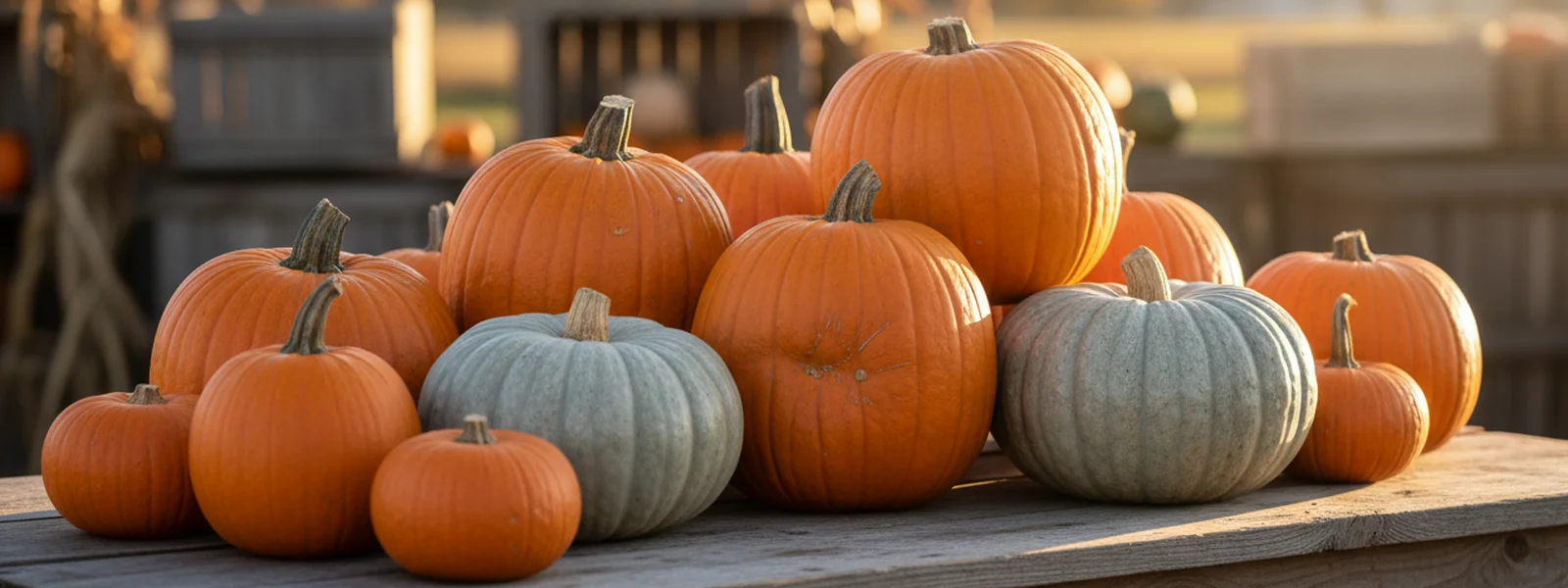
It's the Tuesday after Labor Day. Starbucks just announced the Pumpkin Spice Latte is back, and the air has that first hint of crispness that makes you want to pull out your favorite flannel. For those of us who live for this season, the opening of pumpkin patch season isn't just an event – it's a calling. But before you load up the car for that perfect patch trip, there's a crucial decision to make: how to pick the perfect pumpkin for carving (and eating!).
Navigating a sea of pumpkins can feel overwhelming, especially when you have dual purposes in mind. You want a jack-o'-lantern that will hold its shape and carve beautifully, but you also might be dreaming of pumpkin pie, soup, or bread. Fortunately, understanding a few key characteristics of pumpkins can turn your patch visit from a guessing game into a strategic harvest. This guide will help you select the ideal pumpkin, whether your goal is a spooky grin or a delicious fall feast.
The Anatomy of a Great Pumpkin
Not all pumpkins are created equal, and their intended use often dictates their best features. While the classic bright orange pumpkin is iconic, understanding the nuances of size, shape, skin, stem, and interior will make all the difference.
Size and Shape: More Than Just Looks
When you're hunting for the perfect pumpkin, the first thing you'll notice is the sheer variety of sizes and shapes. For carving, a medium-sized pumpkin is often ideal. They're easier to handle, quicker to carve, and less likely to be too heavy or unwieldy. Look for pumpkins that are relatively symmetrical, with a flat bottom so they sit sturdily on your porch. A good rule of thumb is to choose a pumpkin that feels solid and has a smooth, even surface, free from major soft spots or blemishes.
For baking, size can be more critical. Smaller, denser pumpkins, often referred to as sugar pumpkins or pie pumpkins, are generally preferred. They have thicker walls, less watery flesh, and a sweeter, more concentrated flavor. Larger pumpkins, while impressive for carving, tend to have a more fibrous and less flavorful interior, making them less ideal for culinary creations. If you're aiming for a delicious pumpkin pie, seek out those smaller, denser varieties.
Skin Deep: What to Look For
The skin of your pumpkin is a crucial indicator of its health and suitability for carving or cooking. A healthy pumpkin will have firm, smooth skin that's free from significant bruises, cuts, or soft spots. These imperfections can be entry points for mold and rot, shortening your pumpkin's lifespan, especially if it's destined to sit on your porch for weeks.
A slight dullness or powdery bloom on the skin is perfectly normal and often indicates a well-cured pumpkin that will last longer. For carving, a smooth, unblemished surface provides the best canvas for your artistic vision. For cooking, ensure the skin is intact, as it helps retain moisture and flavor during the cooking process. Remember, even a pumpkin with a few minor surface marks can be a great option if the rest of its characteristics are sound.
The Stem: A Sign of Life (or Not)
The stem, or handle, of the pumpkin can tell you a lot. A strong, firm, and green stem usually indicates that the pumpkin was recently harvested and is still fresh. A dry, brittle, or shriveled stem might mean the pumpkin is older or has been stored for a while. For carving, a sturdy stem is helpful for carrying the pumpkin and can even be incorporated into your design.
When selecting a pumpkin for eating, a healthy stem is a good sign of overall freshness. If a pumpkin has no stem or a broken one, it's more susceptible to decay at that point. While a pumpkin can still be good without a perfect stem, a robust one is always a plus. Think of it as the pumpkin's handshake – a firm grip is a good sign!
Best Pumpkins for Carving vs. Cooking
This is where the dual-purpose pumpkin hunt gets interesting. While many pumpkins can technically be carved and cooked, some varieties truly excel in one area over the other.
For the Perfect Jack-o'-Lantern
When you're aiming for a show-stopping jack-o'-lantern, you want a pumpkin that's easy to carve, holds its shape, and has thin-to-medium walls. The classic carving pumpkin, often labeled as 'Jack O' Lantern' or 'Connecticut Field,' is bred for this purpose. These pumpkins typically have a round shape, bright orange skin, and a sturdy stem.
Look for pumpkins that are a bit lighter in weight for their size, as this often means they have thinner walls that are easier to cut through. Avoid pumpkins that feel overly dense or hard, as these can be challenging to carve. Some growers even suggest tapping the pumpkin; a hollow sound can indicate good carving potential. For a truly impressive display, consider our jack-o'-lantern shirts, featuring designs inspired by the best carved faces.
For Delicious Fall Recipes
If your heart is set on baking, your pumpkin selection criteria shift. Smaller, denser pumpkins are the champions here. Varieties like 'Sugar Pie,' 'Baby Bear,' 'Winter Luxury,' and even the heirloom Cinderella Pumpkin Illustration Tee (inspired by the French fairytale variety) are excellent choices.
These "pie pumpkins" or "sugar pumpkins" have a sweeter, less watery flesh and a richer flavor profile. Their smaller size also means they cook more evenly. When choosing a baking pumpkin, look for one with a deep color and a firm, unblemished surface. They might not be as visually dramatic as their larger carving counterparts, but they deliver exponentially in taste. For those who appreciate the culinary side of fall, our heirloom pumpkin shirts celebrate these unique varieties.
Navigating the Patch and Market
Once you know what you're looking for, visiting a pumpkin patch or farmers market becomes an enjoyable treasure hunt. Here are some practical tips to make your selection process smooth and successful.
The Pumpkin Patch Experience
Most pumpkin patches offer a fantastic selection, and the staff are often happy to offer advice. Don't be afraid to pick up a few pumpkins, turn them over, and inspect them closely. Look for:
- A solid, flat base: For stability.
- A firm, healthy stem: Indicates freshness.
- Smooth, unblemished skin: Minimizes rot.
- Appropriate size and shape: For your carving or cooking plans.
- A good weight for its size: Especially for baking, denser is often better.
Consider the weather too. If you're picking pumpkins early in the season and plan to carve them closer to Halloween, look for pumpkins that are slightly less ripe, as they may last longer. For those who love the entire fall experience, our pumpkin patch shirts capture the spirit of these outings.
Farmers Market Finds
Farmers markets are another excellent source for pumpkins, often featuring a wider array of heirloom and specialty varieties. You'll likely find growers who can tell you precisely what each pumpkin is best suited for. Engage with the farmers; they are passionate about their produce and can provide invaluable insights.
At a market, you might find unique colors and shapes that aren't typically available at larger patch operations. These can be perfect for decorative gourds or even for baking if they are culinary varieties. Remember, a pumpkin is more than just a decoration; it's a symbol of the harvest season and a versatile ingredient. If you're looking for something that reflects the beauty of these unique gourds, explore our heirloom pumpkin shirts collection.
A Note on Longevity
No matter which pumpkin you choose, proper handling can extend its life. For carving pumpkins, clean the inside thoroughly and consider using a sealant like petroleum jelly or a commercial pumpkin spray on the cut edges to prevent drying and mold. For baking pumpkins, store them in a cool, dry place until ready to use.
Pumpkins are a wonderful part of the fall season, bringing joy to both our porches and our tables. By understanding their characteristics, you can confidently select the perfect pumpkin for all your carving and culinary adventures. Happy harvesting!

Published by Pumpkin Shirts
The pumpkin is the point.
Frequently Asked Questions
What makes a pumpkin good for carving?
A good carving pumpkin is typically medium to large, round, and has relatively thin walls that are easy to cut. It should have a flat bottom for stability and a firm, healthy stem. Look for smooth, unblemished skin that will hold its shape well.
What are the best pumpkin varieties for baking pies?
Smaller, denser pumpkins with thick walls and sweet flesh are best for baking. Varieties like Sugar Pie, Baby Bear, Winter Luxury, and heirloom pumpkins like Cinderella are excellent choices for their rich flavor and less watery texture.
How can I tell if a pumpkin is fresh?
A fresh pumpkin usually has a firm, green, and healthy-looking stem. Its skin should be smooth and free from soft spots or major bruises. A pumpkin that feels heavy for its size might indicate more moisture content, which is good for baking but can be less ideal for long-lasting carvings.
Can I carve a pumpkin and then eat it?
Technically, yes, but it's generally not recommended. Pumpkins intended for carving are often larger, less flavorful varieties, and they can develop mold or rot after being cut open. For the best culinary results, use a pumpkin specifically bred for eating.
How long will a carved pumpkin last?
A carved pumpkin typically lasts 5-10 days, depending on the conditions. Keeping it in a cool spot, away from direct sunlight and harsh weather, will help it last longer. Some people also use petroleum jelly or pumpkin sealant on the cut edges to prevent drying and mold.
What's the difference between a carving pumpkin and a pie pumpkin?
Carving pumpkins are bred for size, shape, and ease of carving, often with thinner walls and less dense flesh. Pie pumpkins (or sugar pumpkins) are smaller, denser, and have sweeter, richer flesh, making them ideal for baking and culinary uses. They often have thicker walls.
First Look at New Pumpkin Designs
New illustrations, patch stories, and heirloom variety guides — straight to your inbox before anyone else sees them.