
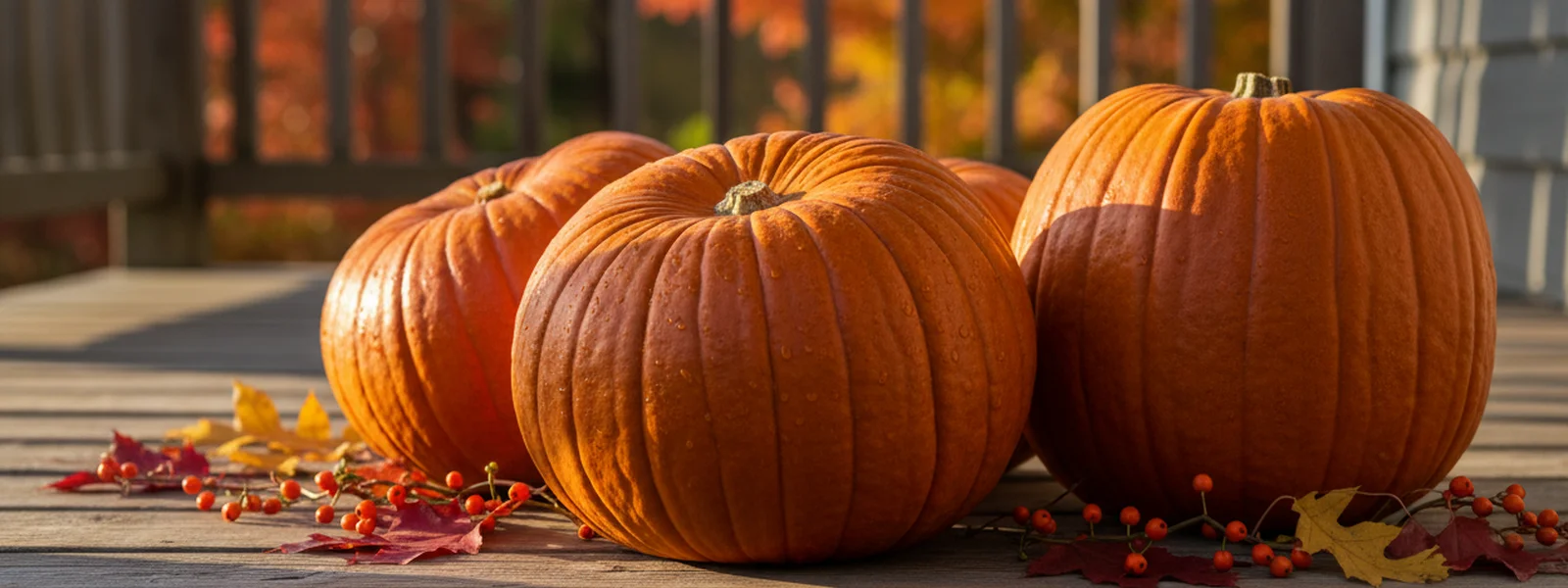
The Enchanting Tale of the Cinderella Pumpkin
When autumn arrives, certain images instantly spring to mind: crisp air, colorful leaves, and of course, pumpkins. While the familiar Jack-o'-lantern and the classic pie pumpkin dominate our thoughts, there's a whole world of heirloom varieties waiting to be discovered. Among these, the Cinderella pumpkin, or Rouge Vif d'Etampes, holds a special place. Its distinctive appearance and rich history have made it a beloved fixture on fall porches and in culinary creations alike. This article delves into the captivating story of the Cinderella pumpkin, exploring its journey from French fields to your autumn decor.
A Pumpkin Fit for a Fairytale: Appearance and Origins
The Cinderella pumpkin, scientifically known as Cucurbita maxima, is instantly recognizable by its flattened, deeply ribbed shape and vibrant, almost fiery orange hue. Often compared to a classic fairytale carriage, it's this striking resemblance that earned it the evocative name "Cinderella." Its French origin, where it's known as the Rouge Vif d'Etampes, further cements its romantic and somewhat regal association. Unlike the taller, more traditional pumpkins, the Cinderella variety tends to be wider than it is tall, with a thick, sturdy rind that is both beautiful and functional.
This heirloom pumpkin's story is believed to have begun in the Loire Valley of France in the mid-19th century. It was first introduced to the United States in the 1880s, quickly gaining popularity for its unique aesthetic. While it might not be the most common choice for carving due to its shape, its robust rind makes it surprisingly durable for display. For those interested in unique pumpkin varieties, our heirloom pumpkin shirts collection features designs inspired by the beauty of these distinct gourds.
Beyond Decoration: The Culinary Side of Cinderella
While its decorative appeal is undeniable, the Cinderella pumpkin is also surprisingly versatile in the kitchen. Often described as having a rich, sweet flavor with a slightly stringy texture, it's particularly well-suited for certain culinary applications. Many gardeners and chefs find that its flesh, while not as dense as a pie pumpkin, bakes down beautifully into purees for pies, soups, and breads. The flavor is often lauded for its depth and sweetness, making it a rewarding choice for those who appreciate heirloom ingredients. If you're looking to bring the essence of fall into your kitchen, consider exploring our recipe ideas for inspiration.
It's worth noting that while edible, the Cinderella pumpkin's texture might not be ideal for every pie recipe if you're seeking the ultra-smooth consistency of a dedicated pie pumpkin. However, its unique sweetness can add a delightful twist. For those who appreciate the culinary journey of pumpkins, our pumpkin spice shirts capture the cozy, flavorful spirit of the season.
Decorating with the Cinderella Pumpkin
The Cinderella pumpkin's striking appearance makes it a star for autumn decor. Its flattened, ribbed form and brilliant orange color add an elegant touch to any fall display. Whether used as a standalone centerpiece or incorporated into a larger arrangement, it brings a unique charm that sets it apart from more common varieties. Its beauty is often highlighted when placed alongside contrasting colors or textures, such as deep greens, muted blues, or the rustic tones of natural wood.
When decorating your porch or home, consider grouping several Cinderella pumpkins of varying sizes for a dramatic effect. They also pair wonderfully with traditional pumpkins, gourds, and autumnal foliage. For a truly enchanting display, try placing them on a weathered wooden bench or amidst a bed of hay. If you're inspired by the decorative charm of these heirloom beauties, you might appreciate our jack-o'-lantern shirts, which capture the spirit of carved pumpkins, or perhaps our cute pumpkin shirts for a touch of seasonal sweetness.
A Note on Heirloom Varieties and Their Significance
Heirloom pumpkins, like the Cinderella, represent a connection to agricultural history and biodiversity. These varieties have been passed down through generations, often preserving unique traits and flavors that might be lost in modern, commercially developed cultivars. Growing and celebrating heirloom pumpkins supports seed saving initiatives and ensures that these distinct genetic lines continue to thrive. They offer a glimpse into the past, reminding us of the rich tapestry of flavors and forms that pumpkins have to offer.
The story of the Cinderella pumpkin is a testament to the enduring appeal of these fascinating gourds. From its fairytale-inspired name and striking appearance to its culinary versatility and historical significance, it embodies the magic of autumn. Whether gracing your doorstep or finding its way into a delicious recipe, the Cinderella pumpkin brings a touch of enchantment to the fall season. Explore our full range of pumpkin shirts to find the perfect design to celebrate your love for all things pumpkin.
Tips for Growing and Caring for Your Cinderella Pumpkin
If you're inspired to grow your own Cinderella pumpkins, you'll find it a rewarding experience. These pumpkins thrive in full sun and well-drained soil, much like most squash varieties. They require ample space to grow, as the vines can spread significantly. Planting seeds directly into the ground after the last frost is the most common method. Consistent watering, especially during dry spells, is crucial for healthy development. Keep an eye out for common pests and diseases, and address them promptly to ensure a good harvest.
Harvesting your Cinderella pumpkins should occur in the fall, typically before the first hard frost. Look for a deep, solid orange color and a hard rind that you can't easily pierce with a fingernail. The stem should also be dry and woody. Once harvested, cure the pumpkins in a warm, dry place for about 10-14 days to harden the rind further and improve storage life. This preparation ensures your decorative pumpkins will last throughout the season.
The Cinderella Pumpkin in Popular Culture
The Cinderella pumpkin's visual appeal has not gone unnoticed in popular culture. Its association with the beloved fairytale makes it a natural fit for Halloween decorations, autumn-themed events, and even artistic interpretations. You'll often see it featured in fall-themed illustrations, photography, and seasonal displays. Its unique shape and vibrant color make it a standout, capturing the imagination and embodying the spirit of the harvest season. For those who love the iconic imagery of pumpkins, our vintage pumpkin shirts offer a nostalgic nod to classic fall aesthetics.
The lore surrounding the Cinderella pumpkin, including its history as the Rouge Vif d'Etampes, adds another layer of charm. It's a variety that speaks to both the rustic beauty of the harvest and the whimsical magic of fairytales. Whether you're a gardener, a decorator, or simply an admirer of all things autumnal, the Cinderella pumpkin offers a unique and captivating presence. If you're looking for apparel that celebrates these distinct varieties, be sure to check out our heirloom pumpkin shirts.
Frequently Asked Questions about the Cinderella Pumpkin
What is the difference between a Cinderella pumpkin and a regular pumpkin?
The main differences lie in their appearance and intended use. Cinderella pumpkins (Rouge Vif d'Etampes) are known for their flattened, deeply ribbed shape and bright orange color, making them excellent for decoration. While edible, their texture is often considered less ideal for pies than dedicated pie pumpkins, though they can be used in recipes. Regular carving pumpkins are typically taller and rounder, bred for easier carving and a more uniform flesh for baking.
Is the Cinderella pumpkin edible?
Yes, the Cinderella pumpkin is edible. While it's primarily celebrated for its decorative qualities and resemblance to a fairytale carriage, its flesh can be used in cooking. Its sweet flavor makes it suitable for pies, soups, and other baked goods, though its texture may be slightly more fibrous than that of a specialized pie pumpkin.
Where did the Cinderella pumpkin originate?
The Cinderella pumpkin, or Rouge Vif d'Etampes, is believed to have originated in the Loire Valley region of France. It was introduced to the United States in the late 19th century and has since become a popular heirloom variety for both its decorative beauty and culinary potential.
Why is it called a Cinderella pumpkin?
It is called a Cinderella pumpkin due to its striking resemblance to the magical carriage that transported Cinderella to the ball in the classic fairytale. Its distinctive flattened, ribbed shape and vibrant orange hue evoke the image of a fairytale carriage.
Are Cinderella pumpkins good for carving?
Cinderella pumpkins can be carved, but their flattened and deeply ribbed shape can present unique challenges compared to rounder carving pumpkins. They are often chosen for their visual appeal as a decorative piece rather than for elaborate carving projects. However, their thick rind can make them quite durable for display.
What are the best uses for a Cinderella pumpkin?
The best uses for a Cinderella pumpkin are primarily decorative, adorning porches, tables, and mantels with their charming fairytale carriage appearance. They also make a lovely, albeit sometimes stringier, addition to fall recipes like pies, soups, and breads, offering a unique sweetness and historical charm to your culinary creations.
Embrace the Heirloom Spirit
The Cinderella pumpkin is more than just a seasonal decoration; it's a piece of history, a culinary possibility, and a symbol of autumn's magic. Its journey from French fields to our fall celebrations is a story worth telling and celebrating. Whether you're drawn to its fairytale charm, its unique flavor, or its place in agricultural heritage, the Cinderella pumpkin offers a special way to connect with the season. For apparel that captures the essence of these unique varieties, explore our heirloom pumpkin shirts and other pumpkin-themed designs.

Published by Pumpkin Shirts
The pumpkin is the point.
Frequently Asked Questions
What is the difference between a Cinderella pumpkin and a regular pumpkin?
Cinderella pumpkins (Rouge Vif d'Etampes) are known for their flattened, deeply ribbed shape and bright orange color, making them excellent for decoration. While edible, their texture is often considered less ideal for pies than dedicated pie pumpkins, though they can be used in recipes. Regular carving pumpkins are typically taller and rounder, bred for easier carving and a more uniform flesh for baking.
Is the Cinderella pumpkin edible?
Yes, the Cinderella pumpkin is edible. While it's primarily celebrated for its decorative qualities and resemblance to a fairytale carriage, its flesh can be used in cooking. Its sweet flavor makes it suitable for pies, soups, and other baked goods, though its texture may be slightly more fibrous than that of a specialized pie pumpkin.
Where did the Cinderella pumpkin originate?
The Cinderella pumpkin, or Rouge Vif d'Etampes, is believed to have originated in the Loire Valley region of France. It was introduced to the United States in the late 19th century and has since become a popular heirloom variety for both its decorative beauty and culinary potential.
Why is it called a Cinderella pumpkin?
It is called a Cinderella pumpkin due to its striking resemblance to the magical carriage that transported Cinderella to the ball in the classic fairytale. Its distinctive flattened, ribbed shape and vibrant orange hue evoke the image of a fairytale carriage.
Are Cinderella pumpkins good for carving?
Cinderella pumpkins can be carved, but their flattened and deeply ribbed shape can present unique challenges compared to rounder carving pumpkins. They are often chosen for their visual appeal as a decorative piece rather than for elaborate carving projects. However, their thick rind can make them quite durable for display.
What are the best uses for a Cinderella pumpkin?
The best uses for a Cinderella pumpkin are primarily decorative, adorning porches, tables, and mantels with their charming fairytale carriage appearance. They also make a lovely, albeit sometimes stringier, addition to fall recipes like pies, soups, and breads, offering a unique sweetness and historical charm to your culinary creations.
First Look at New Pumpkin Designs
New illustrations, patch stories, and heirloom variety guides — straight to your inbox before anyone else sees them.