
The Best Pumpkin for Pie (Spoiler: Not the One You Carved)
It’s that time of year. The air is getting crisp, the leaves are starting to turn, and the aroma of pumpkin spice is everywhere. For many of us, the ultimate expression of fall’s bounty is a perfect slice of homemade pumpkin pie. But when you head to the patch with dreams of baking, a question often arises: which pumpkin is actually best for pie? You might be surprised to learn that the cheerful jack-o'-lantern you painstakingly carved might not be the ideal candidate for your Thanksgiving dessert. This guide will walk you through selecting the ideal sugar pumpkin for a truly delicious and authentic homemade pumpkin pie.
Choosing Your Champion: The Sugar Pumpkin
When we talk about pumpkins for eating, we’re generally not referring to the giant, bumpy varieties you see at the local patch for carving contests. Those large pumpkins, often called carving pumpkins or field pumpkins, are bred for size and shape, not for flavor or texture. They tend to be watery, stringy, and have a less intense, sometimes even bitter, flavor. For the best results in baking, you want a sugar pumpkin, also known as a pie pumpkin or sweet pumpkin. These smaller, denser pumpkins are cultivated specifically for their sweet, rich flesh and smooth texture when cooked.
Sugar pumpkins typically weigh between 2 to 5 pounds, making them a manageable size for baking. Their flesh is thick, less fibrous, and packs a more concentrated, sweet pumpkin flavor that’s perfect for pies, muffins, breads, and soups. If you're looking for a specific heirloom variety known for its baking prowess, consider the Cinderella pumpkin. These are France's fairytale heirlooms, with a deep-ribbed, pale-orange exterior and a wonderfully sweet and dense flesh that makes a superb pie. You can explore more about these special varieties in our Heirloom Pumpkin Shirts collection, featuring designs inspired by these beautiful gourds.
What to Look for at the Patch
Selecting the right sugar pumpkin at the farm stand or pumpkin patch is key to a successful pie. Start by looking for a pumpkin that feels heavy for its size. This indicates a dense, less watery flesh. Give it a gentle tap; it should sound hollow, similar to a ripe melon. Inspect the pumpkin for any soft spots, bruises, or mold. These are signs of decay and will affect the flavor and texture of your puree. A firm, unblemished rind is what you want.
The stem is another good indicator. It should be firm, dry, and firmly attached to the pumpkin. A withered or loose stem might mean the pumpkin has been sitting for a while. While the color can vary (from deep orange to pale tan or even blue-grey for heirlooms like the Jarrahdale), the skin should be smooth and firm. Avoid pumpkins with excessively deep grooves if you’re aiming for the smoothest possible puree, though some slight ribbing is normal and even desirable for certain varieties. If you're aiming for the perfect pumpkin patch outfit, consider a shirt that celebrates the harvest, like one from our Pumpkin Patch Shirts collection.
Step-by-Step: Roasting and Pureeing
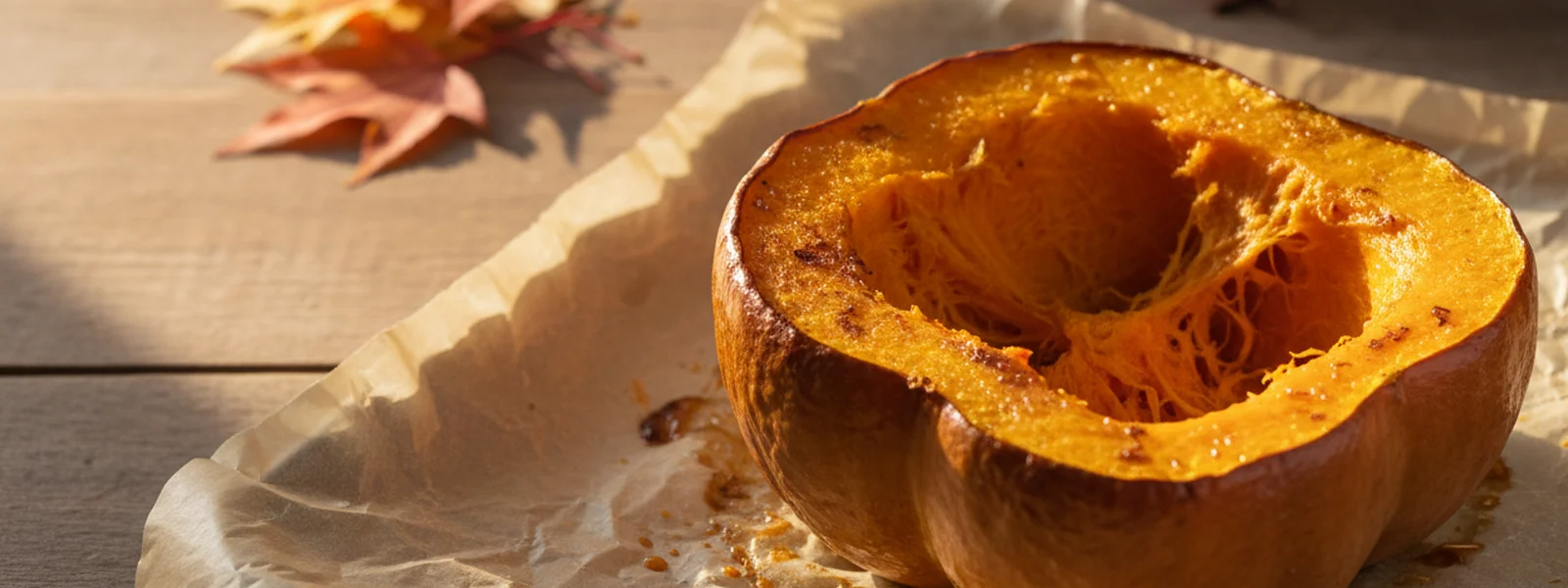
Once you’ve selected your perfect sugar pumpkin, the next step is preparing it for baking. Roasting is generally preferred over boiling for making fresh pumpkin puree. Roasting concentrates the sugars and develops a richer, deeper flavor while minimizing excess moisture. Here’s how to do it:
- Preheat your oven: Set your oven to 400°F (200°C).
- Prepare the pumpkin: Wash the outside of the pumpkin thoroughly. Carefully slice it in half from stem to base. Use a sturdy spoon to scoop out all the seeds and stringy bits. You can save the seeds for roasting later – they make a delicious snack!
- Roast the halves: Place the pumpkin halves cut-side down on a baking sheet lined with parchment paper or foil. This prevents the cut flesh from drying out too quickly and makes cleanup easier.
- Bake until tender: Roast for 45 to 60 minutes, or until the flesh is easily pierced with a fork. The exact time will depend on the size and thickness of your pumpkin.
- Cool and scoop: Let the pumpkin halves cool enough to handle. Then, scoop the tender flesh out of the skin.
- Puree the flesh: Transfer the scooped pumpkin flesh to a food processor or blender. Process until smooth and creamy. For the smoothest possible texture, you might need to do this in batches. You'll end up with a beautiful, vibrant orange puree that is miles ahead of canned.
This roasted pumpkin puree is the foundation of your homemade pie. It’s versatile enough for other recipes too; you could use it for a comforting bowl of Pumpkin Soup, Risotto, or Bread, or even for a delightful Pumpkin Spice Recipe that isn't a latte.
Achieving the Perfect Pie Filling
Making the pie filling is where the magic truly happens. The goal is a smooth, evenly spiced custard that bakes up beautifully. Using fresh pumpkin puree means you have more control over the consistency and flavor.
A standard pumpkin pie recipe typically calls for about 2 cups of pumpkin puree. You’ll likely need to whisk together your puree with eggs, sugar (or a sweetener), evaporated milk or heavy cream, and a blend of warming spices. The classic pumpkin pie spice blend usually includes cinnamon, ginger, nutmeg, and cloves. Some recipes add a touch of allspice or cardamom. Don't be afraid to adjust the spice levels to your preference. If you love the spice aspect, check out our Pumpkin Spice Shirts for designs that celebrate this cozy flavor.
When mixing, ensure the puree is smooth before adding other ingredients. Over-mixing the filling after adding eggs can incorporate too much air, potentially leading to cracks in your pie. Bake the pie according to your recipe’s instructions, usually at a moderate oven temperature (around 375°F or 190°C) until the center is just set. A toothpick inserted near the center should come out clean.
A Note on Canned vs. Fresh
You might be wondering if using fresh pumpkin puree is really that much better than opening a can. For many home bakers, the answer is a resounding yes. Canned pumpkin puree is convenient, and quality brands use varieties like Dickinson or Libby’s, which are specifically bred for baking and have a good flavor. However, fresh puree offers a brighter, more complex flavor profile. It also allows you to control the moisture content, which can be crucial for achieving the perfect pie texture.
The texture of fresh puree can sometimes be a bit thinner than canned, depending on the pumpkin and how it was cooked. If your puree seems particularly watery after processing, you can gently simmer it in a saucepan over low heat for a few minutes to reduce excess moisture, stirring constantly. This extra step ensures your pie filling has the right consistency. While canned pumpkin is a fine shortcut, mastering the art of the homemade pie from a sugar pumpkin is a rewarding experience that truly celebrates the harvest. If you’re looking for a shirt to commemorate your baking triumphs, consider our All Pumpkin Shirts for a wide selection of designs.
Beyond Pie: Other Uses for Sugar Pumpkins
While pumpkin pie is the star, don't let the rest of your sugar pumpkin go to waste! The delicious puree you create can be used in countless other fall recipes. Think creamy pumpkin soup, savory pumpkin risotto, sweet pumpkin bread, or even pumpkin-spiced pancakes for a cozy weekend breakfast. Sugar pumpkins are also wonderful roasted whole or in chunks and served as a side dish, seasoned simply with salt, pepper, and perhaps a drizzle of maple syrup.
If you're inspired by the culinary side of pumpkins, you might appreciate our collection of Recipe Ideas and Spice Life content. For those who love the visual appeal of pumpkins in all their forms, from the kitchen to the porch, our Cute Pumpkin Shirts offer a charming way to express your seasonal joy. Remember, the season for enjoying these delicious gourds extends well beyond Halloween and into Thanksgiving, making your efforts worthwhile.
The Reward of Homemade
There’s a unique satisfaction that comes from creating something delicious from scratch, especially when it’s as iconic to the season as pumpkin pie. Using a fresh sugar pumpkin elevates the entire experience, from the earthy aroma as it roasts to the rich, authentic flavor in every bite. It connects you to the harvest in a tangible way, turning a simple dessert into a celebration of autumn's bounty.
So, the next time you visit your favorite pumpkin patch, look beyond the giant carving pumpkins. Seek out the smaller, denser sugar pumpkins. They are the true stars of the fall baking season, promising a homemade pumpkin pie that’s far superior to anything store-bought. And once you've perfected your pie, you can wear your pride with a cozy pumpkin shirt, like one from our Comfort Colors Pumpkin Tees collection, which are designed to get softer and better with every wash, just like a well-loved fall tradition.

Published by Pumpkin Shirts
The pumpkin is the point.
Frequently Asked Questions
What is a sugar pumpkin and why is it best for pie?
A sugar pumpkin, also known as a pie pumpkin or sweet pumpkin, is a smaller, denser variety of pumpkin bred specifically for its flavor and texture when cooked. Unlike larger carving pumpkins, sugar pumpkins have thicker, less fibrous flesh with a concentrated sweet taste, making them ideal for baking pies, muffins, and breads.
How do I choose the best sugar pumpkin at the patch?
Look for a sugar pumpkin that feels heavy for its size and sounds hollow when tapped. Inspect it for firm, unblemished skin, and a dry, firmly attached stem. Avoid any pumpkins with soft spots, bruises, or signs of mold, as these can indicate spoilage and affect the flavor of your pie.
Is it better to roast or boil a pumpkin for pie puree?
Roasting is generally preferred over boiling for making pumpkin puree. Roasting concentrates the natural sugars and develops a richer, deeper flavor while minimizing excess moisture. This results in a thicker, more flavorful puree that contributes to a superior pie texture and taste compared to boiled pumpkin.
Can I use fresh pumpkin puree instead of canned?
Yes, using fresh pumpkin puree can offer a brighter, more complex flavor than canned. While convenient, canned pumpkin can sometimes be thinner. Fresh puree allows you to control moisture and flavor, though it requires extra steps for roasting and pureeing. Quality canned pumpkin is still a good option if time is a constraint.
What other recipes can I make with sugar pumpkin puree?
Sugar pumpkin puree is incredibly versatile! Beyond pie, you can use it to make creamy pumpkin soup, savory pumpkin risotto, sweet pumpkin bread, muffins, pancakes, or even roasted pumpkin chunks as a side dish. Its mild, sweet flavor lends itself well to both sweet and savory dishes.
How long does fresh pumpkin puree last?
Freshly made pumpkin puree can be stored in an airtight container in the refrigerator for up to a week. For longer storage, you can freeze the puree in portions for up to six months. This allows you to enjoy the taste of homemade pumpkin all season long.
First Look at New Pumpkin Designs
New illustrations, patch stories, and heirloom variety guides — straight to your inbox before anyone else sees them.