
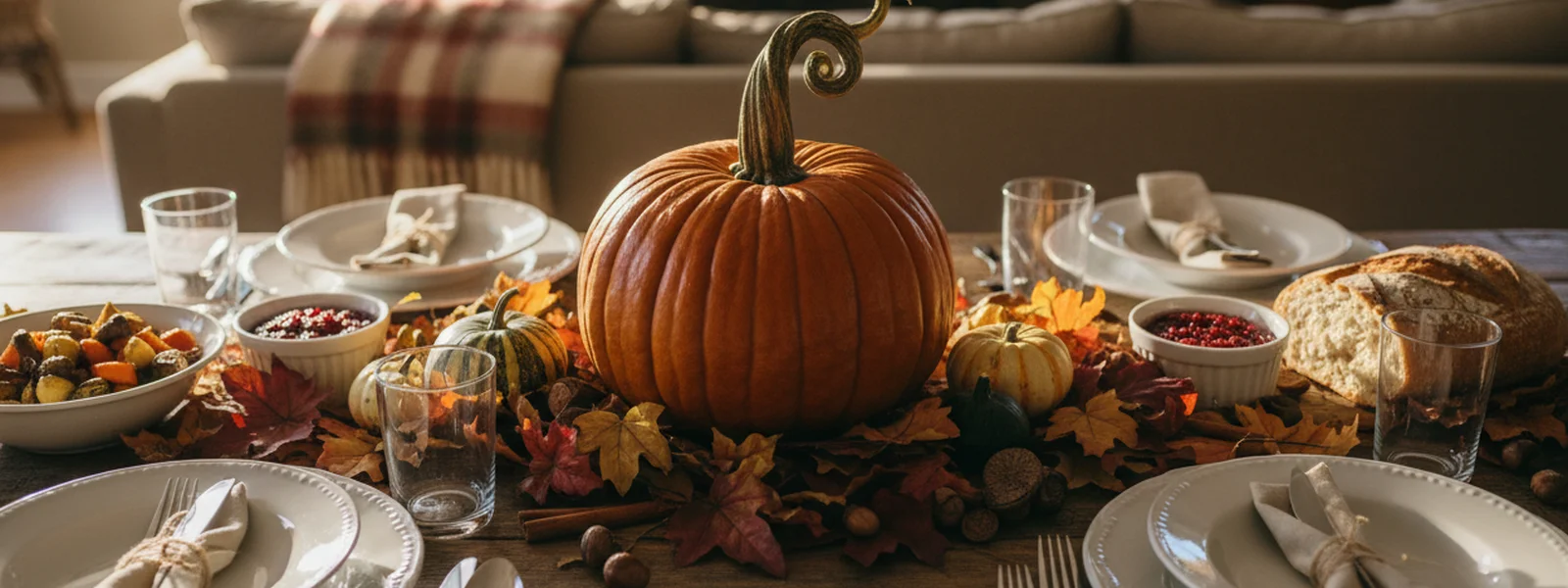
The Enduring Role of the Pumpkin in American Thanksgiving Traditions
As the leaves turn golden and a crispness fills the air, our thoughts naturally drift towards the bounty of autumn and the warmth of gathering with loved ones. Thanksgiving, a holiday steeped in history and tradition, is perhaps one of the most cherished celebrations of harvest and gratitude. At the heart of this festive season, both on our tables and in our cultural consciousness, sits the humble yet magnificent pumpkin. Its presence is so ubiquitous that it’s hard to imagine Thanksgiving without it, yet its journey to becoming a quintessential holiday symbol is a story woven through centuries of American history.
The pumpkin’s association with Thanksgiving dates back to the very earliest colonial settlements. While the iconic image of a pumpkin pie might dominate our modern perception, the early colonists encountered pumpkins as a vital food source provided by the Native American tribes. These hardy gourds were a staple, easily grown and stored, providing much-needed sustenance through the long, harsh winters. They were cooked in various ways – roasted, boiled, and even used in breads and stews – long before the concept of a sweet, spiced dessert pie took hold. The very survival of many early settlers was aided by the pumpkin’s generous yield, making it an intrinsic part of the harvest that these early feasts celebrated.
From Colonial Staple to Dessert Icon: The Evolution of Pumpkin Pie
The transformation of the pumpkin from a savory staple to the star of the Thanksgiving dessert table is a fascinating culinary evolution. Early pumpkin pies, as described in colonial cookbooks, were quite different from the smooth, sweet confection we know today. They were often more akin to a custard filling baked inside a hollowed-out pumpkin shell, or a simpler, less-sweet pastry filled with mashed pumpkin spiced with nutmeg and cinnamon. The sugar content was typically much lower, reflecting the scarcity and expense of refined sugar in early America.
It wasn't until the 19th century that pumpkin pie began to resemble its modern form, with increased availability of sugar and refined baking techniques. Recipes began calling for the addition of milk or cream to create a richer custard, and the characteristic blend of spices – cinnamon, ginger, cloves, and nutmeg – became more standardized. This evolution mirrors broader changes in American cuisine, moving from necessity-based cooking to more elaborate and celebratory dishes as the nation grew and prospered. For many, our pumpkin spice shirts capture that nostalgic feeling of these evolving traditions.
The sheer versatility of the pumpkin also played a significant role in its enduring appeal. Beyond pie, pumpkins found their way into various Thanksgiving dishes. Pumpkin bread, pumpkin soup, and roasted pumpkin seeds were common accompaniments to the main feast. This adaptability ensured that the pumpkin remained a central ingredient throughout the entire meal, solidifying its place in the harvest celebration. It’s this deep connection to the harvest that inspires many of our designs, like those found in our Heirloom Pumpkin Shirts collection, celebrating the diversity of this incredible fruit.
The Pumpkin as a Symbol of Fall Harvest and Gratitude
Beyond its culinary contributions, the pumpkin has evolved into a powerful visual symbol of autumn itself. Its vibrant orange hue, its rounded, comforting shape, and its association with the final harvest make it synonymous with the fall season. As Thanksgiving marks the culmination of the harvest, the pumpkin naturally becomes its emblem. It represents the earth's generosity, the fruits of labor, and the abundance that inspires gratitude.
This symbolism is deeply embedded in our cultural landscape. From decorative gourds adorning doorsteps to the iconic jack-o'-lanterns that grace Halloween (a holiday that often precedes Thanksgiving in the cultural calendar), pumpkins are a constant reminder of the season. Even as Halloween passes, the pumpkin's presence continues, transitioning from spooky to celebratory as we move towards Thanksgiving. Our Jack-o'-Lantern Shirts and Spooky Pumpkin Shirts collections capture that initial Halloween spirit, while designs in our Pumpkin Patch Shirts collection speak to the broader harvest theme.
The act of carving pumpkins, while traditionally associated with Halloween, also has roots in older harvest festivals, symbolizing the warding off of spirits and the celebration of the season's end. When we see pumpkins displayed throughout October and into November, they evoke a sense of home, warmth, and the simple pleasures of autumn. This enduring visual appeal makes pumpkin-themed apparel, like the comfortable and stylish options in our Pumpkin Sweatshirts collection, a natural choice for celebrating Thanksgiving.
Modern Thanksgiving: Pumpkins in Contemporary Traditions
In contemporary American life, the pumpkin's role at Thanksgiving is multifaceted. It remains a culinary cornerstone, with pumpkin pie being a near-universal dessert choice for the holiday meal. Many families have their own cherished recipes, passed down through generations, further cementing the pie’s status as a holiday tradition. The preparation and enjoyment of these dishes are often central to the Thanksgiving experience, bringing families together in the kitchen.
Beyond the table, pumpkins continue to be a popular decorative element. While jack-o'-lanterns might be put away after Halloween, whole pumpkins, gourds, and autumnal arrangements featuring pumpkins are common throughout November. They contribute to the festive atmosphere of homes and gathering places. This extended visual presence means that pumpkin-themed apparel isn't just for Halloween; it’s a celebration of the entire fall season. Wearing a comfortable Classic Jack-o-Lantern Face T-Shirt or a cozy Classic Jack-o-Lantern Face T-Shirt can extend that festive feeling well into late November, celebrating the harvest spirit.
The concept of pumpkin spice itself has also become a significant cultural touchstone, extending the pumpkin’s influence beyond mere decoration or dessert. From coffee drinks to candles and even savory dishes, the scent and flavor profile of pumpkin spice are inextricably linked with the autumn and Thanksgiving season for many Americans. It’s a sensory experience that evokes comfort, warmth, and the particular feeling of late fall.
A Culinary History of Thanksgiving Food
Understanding the pumpkin’s place requires a brief look at the history of Thanksgiving food itself. The original feast, often depicted as a harmonious gathering between Pilgrims and Wampanoag people, likely featured a meal that was more reflective of seasonal availability than modern Thanksgiving menus. Venison, fowl (such as duck or goose), fish, and wild vegetables would have been prominent. Pumpkins and other gourds were certainly part of this early harvest bounty, providing essential nutrition.
Over time, as American culinary traditions evolved, so did the Thanksgiving menu. Turkey became the dominant main course, likely due to its prevalence and suitability for feeding large gatherings. Mashed potatoes, stuffing, cranberry sauce, and, of course, pumpkin pie gradually became standard additions. This standardization occurred through the influence of cookbooks, magazines, and the growing sense of a national identity that sought to codify its traditions. The pumpkin pie, in particular, gained immense popularity and became a symbol of domesticity and the comforting traditions of home.
The history of Thanksgiving food is a story of adaptation and cultural fusion. Ingredients that were once staples for survival, like the pumpkin, transformed into beloved holiday treats. This journey highlights how food traditions are not static but evolve alongside societal changes, agricultural advancements, and cultural preferences. It’s a delicious narrative, and one that continues to unfold with every family’s unique Thanksgiving celebration.
The Pumpkin's Lasting Legacy at the American Table
The pumpkin's journey from a colonial survival food to a beloved Thanksgiving dessert and a pervasive symbol of autumn is a testament to its enduring appeal. It represents not just a harvest but a connection to our history, our land, and the traditions that bind us together. Whether it’s in a perfectly spiced pie, a beautifully illustrated shirt from our Heirloom Pumpkin Shirts collection, or simply as a decorative centerpiece, the pumpkin continues to hold a special place at the American table.
Its presence signifies abundance, gratitude, and the comforting embrace of the fall season. As we gather with family and friends, sharing meals and making memories, the pumpkin remains a constant, a delicious reminder of the bounty of the earth and the spirit of Thanksgiving. It’s a tradition as rich and layered as a slice of homemade pumpkin pie, and one that we at Pumpkin Shirts are delighted to celebrate year after year.
For those looking to extend the feeling of harvest and gratitude beyond the plate, consider incorporating pumpkin-themed apparel into your late-fall wardrobe. Our collection of Pumpkin Patch Shirts and all things pumpkin offers a way to carry that festive spirit throughout the season. It’s a simple way to acknowledge the traditions that matter most, and to carry a piece of the harvest’s warmth with you.
If you're interested in how other fall traditions have evolved, you might enjoy our article on November's Embrace: Extending the Cozy Feeling Past Halloween, which explores how to keep the warmth of the season alive.

Published by Pumpkin Shirts
The pumpkin is the point.
Frequently Asked Questions
When did pumpkin pie become a Thanksgiving tradition?
Pumpkin pie started appearing in American cookbooks in the late 17th century, but it wasn't until the 19th century that it became a more common and expected dessert for Thanksgiving, solidifying its place as a culinary tradition.
What did early American colonists eat on Thanksgiving?
Early Thanksgiving feasts likely featured a variety of local, seasonal foods. This included game like deer and fowl, fish, corn, beans, squash, and importantly, pumpkins, which were a vital food source provided by Native American tribes.
Were pumpkins used in savory dishes on Thanksgiving?
Yes, historically, pumpkins were used in a variety of savory ways. They were roasted, boiled, mashed into breads, and added to stews. The sweet pie as we know it today evolved later, but the pumpkin's use in the broader meal was significant from the start.
Why is the pumpkin a symbol of Thanksgiving?
The pumpkin symbolizes Thanksgiving due to its strong association with the autumn harvest. Its abundance, vibrant color, and role in providing sustenance throughout the fall and winter months made it a natural emblem of gratitude for the season's bounty.
How has pumpkin pie changed over time?
Early pumpkin pies were often more like custard baked in a pumpkin shell and less sweet. Over centuries, recipes evolved to include more sugar, milk or cream for a richer texture, and a standardized blend of spices like cinnamon, nutmeg, and ginger, creating the dessert we recognize today.
First Look at New Pumpkin Designs
New illustrations, patch stories, and heirloom variety guides — straight to your inbox before anyone else sees them.