
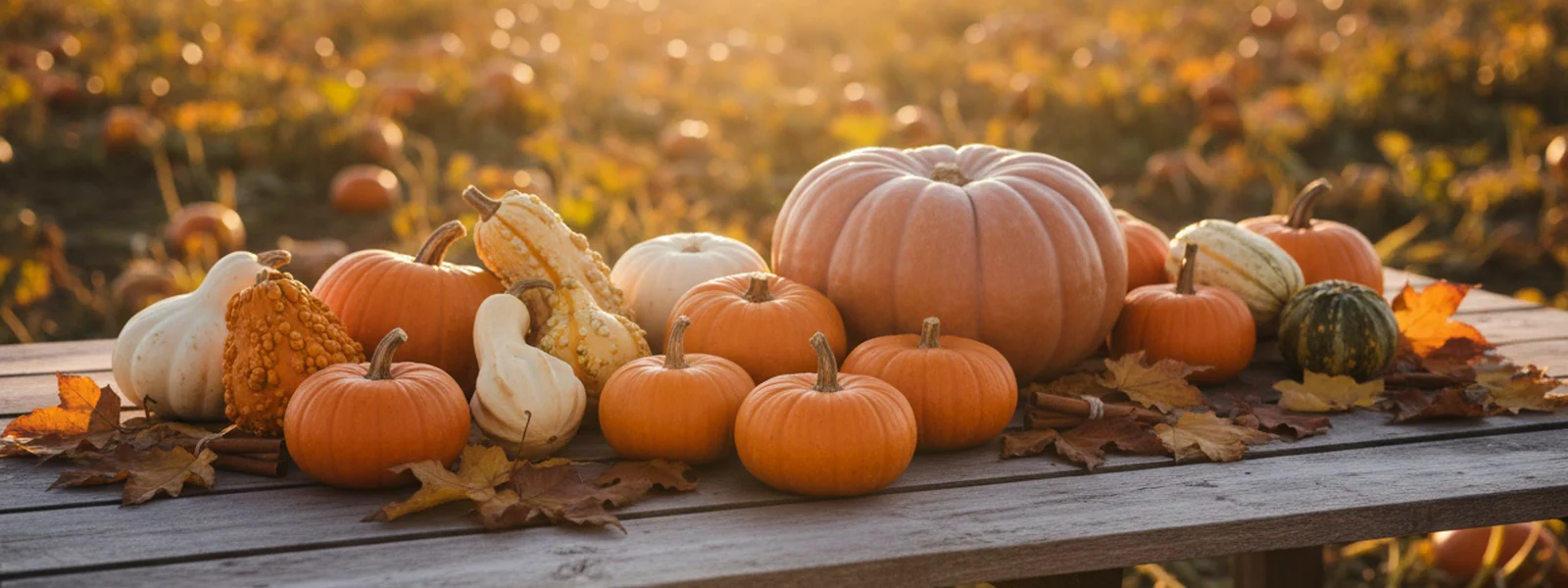
The Pumpkin Pie Dilemma: Carving vs. Culinary
It's the moment many of us eagerly anticipate: the first crisp days of fall, the return of the PSL, and the irresistible urge to bake. And what's more iconic to fall baking than pumpkin pie? But when you head to the farmers market or grocery store, you're faced with a choice: grab that giant, bumpy pumpkin from the decorative display, or seek out a smaller, smoother variety. This is where the great pumpkin pie dilemma begins. Many home bakers discover too late that the best pumpkin for pie is often not the one you carved for Halloween.
The truth is, the pumpkins we carve into grinning jack-o'-lanterns are bred for size and durability, not flavor. They tend to be watery, stringy, and have a less intense, sometimes even bitter, taste. For a truly exceptional pie, you need a pumpkin specifically suited for culinary purposes. These varieties are often smaller, denser, and packed with a richer, sweeter flavor and a smoother texture.
Understanding Pumpkin Varieties: From Patch to Pie Plate
The world of pumpkins is surprisingly diverse. While we often see them as a single entity, there are hundreds of varieties, each with its own characteristics. For baking, we're looking for those that are:
- Denser flesh
- Sweeter flavor profile
- Less stringy texture
- Smoother pureed consistency
This is why you'll often hear terms like "sugar pumpkin" or "pie pumpkin" being recommended. These aren't necessarily a single type, but rather a category of pumpkins that fit the bill for baking. They are typically smaller than their carving counterparts, with thicker walls and a more concentrated sweetness.
Top Picks for the Best Pumpkin Pie Flavor
So, which specific pumpkins should you look for? Here are a few of the stars of the pie-making world:
Sugar Pumpkins (or Pie Pumpkins)
This is the most common and widely recommended category. Sugar pumpkins are small, round, and have a sweet, mild flavor with a dense, smooth texture. They are easy to find at most farmers markets in the fall and are fantastic for baking. If a recipe just says "pie pumpkin," this is almost certainly what it means.
While sugar pumpkins are best for baking, you can still appreciate the classic look of a carved pumpkin. Our Classic Jack-o'-Lantern Face T-Shirt captures that fun, festive spirit.
Cinderella Pumpkins (Rouge Vif d'Etampes)
These French heirlooms are absolutely stunning with their deep ribbed exterior and vibrant orange color. While their beauty is undeniable, they also boast a fantastic flavor profile for pies. Their flesh is dense and sweet, making them a delightful choice for baking. They might be a bit larger than a typical sugar pumpkin, but the flavor is well worth it. If you're looking for a pumpkin that's as beautiful on the inside as it is on the outside, the Cinderella is a winner.
For those who appreciate unique varieties like the Cinderella, explore our Heirloom Pumpkin Shirts collection, featuring elegant botanical illustrations of these special gourds.
Fairytale Pumpkins
Often described as looking like a Cinderella pumpkin's American cousin, Fairytale pumpkins are also beautiful with their flattened shape and ribbed skin. They have a sweet, nutty flavor and a smooth, fine-grained flesh that purees beautifully, making them an excellent choice for pies and other baked goods.
Kabocha Squash
While technically a squash, Kabocha is often grouped with "pie pumpkins" due to its incredible flavor and texture. This Japanese variety has a dark green, bumpy rind and a vibrant orange flesh that is exceptionally sweet, nutty, and less watery than many true pumpkins. It bakes down into a wonderfully smooth puree, perfect for pies, custards, and even savory dishes.
Long Island Cheese Pumpkins
These unique pumpkins get their name from their pale, bluish-gray rind and their smooth, sweet flesh that has a flavor reminiscent of chestnuts. They are a traditional New England variety, known for their excellent baking qualities and dense, non-stringy texture.
Why Carving Pumpkins Don't Make the Cut
The pumpkins you see piled high at grocery stores and roadside stands in October, often labeled simply "carving pumpkins" or "jack-o'-lanterns," are typically varieties like 'Howden' or 'Big Max.' These are bred for specific traits that make them ideal for carving:
- Size: They grow large, providing ample canvas for creative designs.
- Wall Thickness: Thick walls are easier to carve and hold their shape.
- Hollow Interior: A naturally more hollow interior makes scooping out seeds easier.
- Durability: They are bred to last longer on your porch without significant decay.
However, these traits come at a cost to flavor and texture. Their flesh is often watery and fibrous, leading to a less rich and potentially stringy pie filling. While you *can* technically make a pie from a carving pumpkin, the results are unlikely to be as delicious or satisfying as using a dedicated culinary variety.
For those who love the classic jack-o'-lantern look, our Classic Jack O Lantern Face T-Shirt is a fun way to celebrate the season.
Selecting the Perfect Pie Pumpkin at the Market
Now that you know which varieties to look for, how do you pick the best one? Here are a few tips:
- Look for the right variety: Prioritize "sugar pumpkin," "pie pumpkin," "Cinderella," "Fairytale," or "Kabocha." Avoid the giant "carving" pumpkins.
- Check for firmness: The pumpkin should feel firm and heavy for its size. Avoid any with soft spots, bruises, or mold.
- Inspect the stem: A healthy, intact stem is a good sign. It should be dry but not shriveled.
- Tap it: A ripe pumpkin will often sound hollow when tapped, similar to a ripe melon.
- Consider size: For most pies, a smaller pumpkin (3-5 pounds) is ideal. It will yield a more concentrated flavor.
If you're shopping at a farmers market, don't hesitate to ask the vendor for their recommendations. They often know which of their pumpkins are best suited for baking.
From Fresh Pumpkin to Delicious Puree
Once you've selected your perfect pie pumpkin, the next step is turning it into delicious puree. While canned pumpkin puree is convenient, making your own from fresh pumpkin offers a superior flavor and texture. It's a simple process that truly elevates your pie.
Step-by-Step Pumpkin Puree
- Prepare the pumpkin: Wash the pumpkin thoroughly. Cut it in half and scoop out the seeds and stringy bits. You can save the seeds to roast later!
- Bake the halves: Place the pumpkin halves cut-side down on a baking sheet lined with parchment paper. Bake at 375°F (190°C) for 45-60 minutes, or until the flesh is tender when pierced with a fork. The baking time will vary depending on the size and type of pumpkin.
- Cool and scoop: Let the pumpkin cool enough to handle. Scoop the flesh out of the rind.
- Puree the flesh: Place the cooked pumpkin flesh in a food processor or blender and process until completely smooth. If the puree seems too watery, you can strain it through a cheesecloth-lined sieve for a few hours to remove excess moisture.
This fresh puree will give your pumpkin pie a richer flavor, a smoother consistency, and a more vibrant color than anything you can get from a can. It's the secret to a truly memorable pie.
For more ideas on using your harvest, check out our collection of Recipe Ideas, featuring both sweet and savory pumpkin delights.
Embrace the Season with Confidence
Choosing the right pumpkin is the first, and perhaps most crucial, step in baking an unforgettable pumpkin pie. By understanding the differences between carving and culinary varieties, selecting the best types like sugar pumpkins or Cinderella heirlooms, and preparing your own fresh puree, you're well on your way to baking a pie that will impress everyone at your table.
So, next time you're at the market, look beyond the giant jack-o'-lanterns. Seek out the smaller, sweeter varieties, and get ready to create a pumpkin pie that truly tastes like fall. And if you're looking for the perfect shirt to wear to the pumpkin patch or your next baking adventure, be sure to browse our collections. Our Pumpkin Spice Shirts are perfect for embracing the cozy vibes, while our Heirloom Pumpkin Shirts celebrate the unique beauty of these harvest treasures.
Planning a trip to the patch? Make sure you have the perfect outfit from our Pumpkin Patch Shirts collection!

Published by Pumpkin Shirts
The pumpkin is the point.
Frequently Asked Questions
Can I use any pumpkin for pie?
While you can technically use any pumpkin, carving pumpkins are not ideal for pie. They tend to be watery and less flavorful. It's best to use specific culinary varieties like sugar pumpkins, Cinderella, or Kabocha squash for the best taste and texture.
What is a sugar pumpkin?
A sugar pumpkin, also known as a pie pumpkin, is a smaller, sweeter variety of pumpkin bred for culinary use. They have dense flesh, less stringiness, and a richer flavor compared to larger carving pumpkins.
Are Cinderella pumpkins good for pie?
Yes, Cinderella pumpkins (Rouge Vif d'Etampes) are excellent for pie. They are a beautiful French heirloom variety with dense, sweet flesh that purees smoothly, offering a wonderful flavor profile for baking.
How do I know if a pumpkin is ripe for pie?
A ripe pie pumpkin will feel firm and heavy for its size, with an intact, dry stem. It should sound hollow when tapped. Avoid pumpkins with soft spots, bruises, or mold.
Is homemade pumpkin puree better than canned?
Yes, homemade pumpkin puree generally offers a superior flavor and texture. Freshly pureed pumpkin is less watery and has a more vibrant, natural taste compared to canned versions, which can sometimes have a metallic or duller flavor.
How long does it take to bake a pumpkin for puree?
Baking time varies by pumpkin size and type, but typically, pumpkin halves placed cut-side down at 375°F (190°C) will take 45-60 minutes to become tender when pierced with a fork.
First Look at New Pumpkin Designs
New illustrations, patch stories, and heirloom variety guides — straight to your inbox before anyone else sees them.