
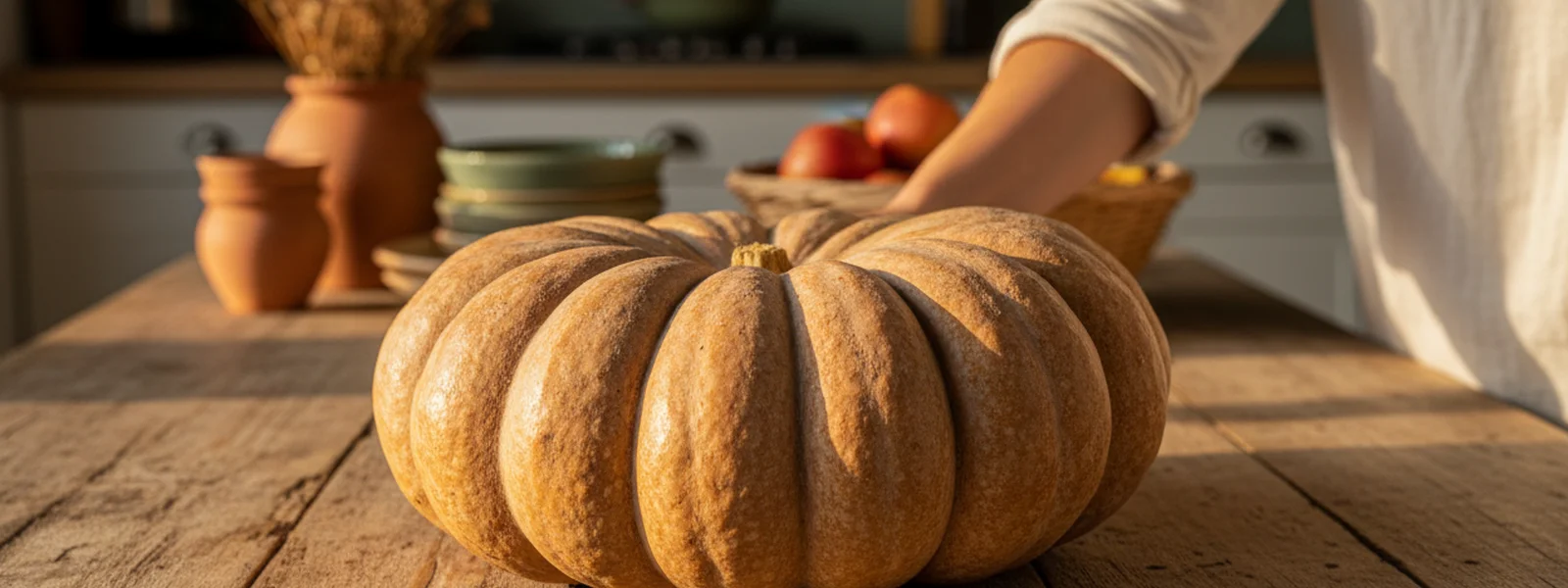
Discovering the Cheese Pumpkin: A Savory Heirloom
When we think of pumpkins, our minds often drift to the vibrant orange orbs destined for carving, or perhaps the sweet, spiced pies that define autumn baking. But the world of pumpkins is far more diverse than many realize. Beyond the familiar sugar pie or the classic carving varieties, there exists a fascinating group of heirlooms that offer a different kind of charm and utility. Among these is the intriguing cheese pumpkin, a savory heirloom squash that challenges our typical perception of what a pumpkin can be. Its unique appearance and culinary versatility make it a true gem for gardeners and food enthusiasts alike.
The Musquee de Provence, often referred to as the cheese pumpkin, is an heirloom variety that stands out from the crowd. Originating from the Provence region of France, this pumpkin boasts a distinctive appearance that sets it apart from its more common cousins. Its flattened, ribbed shape, reminiscent of a large wheel of cheese, is instantly recognizable. The rind typically matures to a tan or buff color, sometimes with hints of rose or pale orange peeking through, making it a visually striking addition to any fall display. While its unique look might lead one to believe it's purely ornamental, the cheese pumpkin is surprisingly versatile in the kitchen, offering a delightful savory profile that lends itself to a variety of dishes.
The Unique Characteristics of Cheese Pumpkins
The visual appeal of the cheese pumpkin is undeniable. Unlike the round, deeply lobed pumpkins we often carve, cheese pumpkins are generally flatter and wider, with prominent ribs that create a segmented look. This distinctive shape is what gives them their common name, evoking images of aged wheels of artisanal cheese. The rind is typically smooth but firm, and while it can be tough to cut into, it offers excellent keeping qualities, allowing these pumpkins to be stored for extended periods through the cooler months.
The flesh of a cheese pumpkin is dense, meaty, and has a flavor profile that leans savory rather than sweet. This makes it an excellent candidate for dishes where a subtle sweetness is desired, but not overpowering. It's less watery than many carving pumpkins, which is a significant advantage when it comes to cooking. This characteristic makes it ideal for roasting, baking into savory tarts, or even pureeing for soups and stews. The flavor is often described as nutty and rich, with earthy undertones that complement a wide range of culinary ingredients.
A Glimpse into History: The Cheese Pumpkin's Roots
Heirloom varieties like the cheese pumpkin carry with them a rich history, often tied to specific regions and traditional agricultural practices. The Musquee de Provence, for instance, has been cultivated in France for centuries. Its development likely stemmed from a desire for pumpkins that stored well and offered a different culinary experience. In regions where pumpkins were a staple, the ability to grow a variety that could be used in savory preparations, or that could last through the winter months, would have been highly valued.
The term "cheese pumpkin" itself is a testament to its appearance and perhaps its early uses. While it's not made of cheese, the visual resemblance is striking. Historically, such varieties might have been used in baking recipes that called for a less sweet squash, or perhaps even as a base for savory pies and gratins that are common in European cuisines. Understanding the history of these heirloom pumpkin shirts can add an extra layer of appreciation for the diversity of these fascinating fruits. For those who appreciate the nuances of heirloom pumpkin shirts, this variety offers a unique story.
Growing Your Own Cheese Pumpkins
For the home gardener, cultivating cheese pumpkins can be a rewarding experience. These pumpkins are typically grown from seed, much like other squash varieties. They thrive in warm weather and require well-drained soil rich in organic matter. Given enough space, sunlight, and water, cheese pumpkins can produce impressive fruits.
Planting should occur after the last frost, with seeds sown directly into the ground or started indoors a few weeks prior. The vines can spread quite a bit, so ensure ample room is available. Patience is key, as these pumpkins generally take between 90 to 120 days to mature from planting. Harvesting should be done before the first hard frost, with the stem left intact to help with storage. A well-cured cheese pumpkin can last for several months in a cool, dry place, making it a valuable crop for extending the harvest season.
It's fascinating to think that the same plant that gives us beautiful fall decor can also provide such a versatile ingredient. If you appreciate the unique beauty of these heirloom pumpkin shirts, imagine growing the actual pumpkins that inspire them. For gardeners interested in unique varieties, the cheese pumpkin is a fantastic choice that offers both aesthetic appeal and culinary potential.
Preparing and Cooking with Cheese Pumpkins
Once you've grown or acquired a cheese pumpkin, the culinary possibilities are vast. The first step is preparation. Due to its firm rind, cutting into a cheese pumpkin can be challenging. It's best to use a sturdy, sharp knife and to ensure the pumpkin is stable on a cutting board. Halving the pumpkin and scooping out the seeds and stringy bits is similar to preparing other winter squash.
Roasting is perhaps the simplest and most effective way to prepare cheese pumpkin. Cut the halves or wedges, toss with a bit of olive oil, salt, and pepper, and roast in a moderate oven (around 375°F or 190°C) until tender. The flesh will become soft and slightly caramelized, bringing out its natural nutty flavors. This roasted pumpkin can then be used in a multitude of ways. It’s delicious mashed as a side dish, perhaps with a sprinkle of nutmeg or cinnamon, or incorporated into savory baked goods.
For those interested in baking, the cheese pumpkin's dense flesh makes it an excellent substitute for other squashes in pies, muffins, or breads. While it won't lend the same sweetness as a sugar pie pumpkin, it provides a wonderful depth of flavor and a pleasing texture. Consider using it in a savory pumpkin tart with herbs and cheese, or blending it into a creamy, spiced soup. This versatility is why the heirloom pumpkin is so cherished by those in the know. If you love the idea of unique heirloom varieties, our heirloom pumpkin shirts are designed with that same appreciation in mind.
Beyond the Patch: Culinary Applications
The appeal of the cheese pumpkin extends beyond its own preparation. Its unique flavor profile can enhance a wide array of dishes. Think about adding roasted cheese pumpkin to a risotto for an earthy, autumnal twist, or incorporating it into a hearty vegetable stew. Its texture holds up well to longer cooking times, making it suitable for slow-cooked meals.
For a truly unique experience, consider using the cheese pumpkin in recipes that highlight its savory qualities. A simple puree can be seasoned with garlic, rosemary, and thyme, then served as a sophisticated side. It can also be diced and added to pasta dishes, or even blended into a flavorful base for a hearty chili. The fact that this pumpkin is edible and delicious, in addition to being visually interesting, makes it a standout in the world of heirloom pumpkins. It’s a reminder that pumpkins are not just for Halloween decorations or sweet pies; they are a versatile ingredient with a long and storied culinary history.
If you’re drawn to the history and unique nature of varieties like the cheese pumpkin, you might also appreciate our heirloom pumpkin shirts. They are designed to celebrate these special varieties, much like this article celebrates the cheese pumpkin itself.
Why Choose Heirloom Varieties Like the Cheese Pumpkin?
In a world increasingly dominated by uniformity, heirloom varieties offer a connection to the past and a celebration of diversity. Growing and using them supports biodiversity and preserves unique genetic lines that might otherwise be lost. For the home cook and gardener, heirlooms like the cheese pumpkin provide an opportunity to explore flavors and textures that are distinct from modern, commercially developed varieties.
The cheese pumpkin, with its distinctive appearance and savory potential, is a perfect example of why exploring the world of heirlooms is so rewarding. It’s a pumpkin that sparks conversation, delights the palate, and connects us to a longer tradition of agriculture and cuisine. Whether you're decorating your porch, planning your garden, or seeking new ingredients for your kitchen, the cheese pumpkin is a variety worth seeking out and celebrating.
For those who admire the unique character of heirloom pumpkins, our heirloom pumpkin shirts capture that same spirit. They are designed for anyone who appreciates the beauty and history behind these special squash varieties. Explore our collection of heirloom pumpkin shirts and find a design that speaks to your love for these distinctive gourds.
The Enduring Appeal of the Savory Heirloom
The cheese pumpkin, or Musquee de Provence, is more than just a decorative gourd; it’s a culinary treasure. Its unique shape, historical significance, and versatile savory flavor make it a standout among heirloom pumpkins. Whether you're a seasoned gardener looking for a new variety to cultivate, a curious cook seeking to expand your autumnal palate, or simply someone who appreciates the beauty of unique produce, the cheese pumpkin offers a delightful experience.
As we continue to appreciate the bounty of the fall harvest, let's not forget the less common but equally wonderful varieties like the cheese pumpkin. Its ability to bridge the gap between decorative charm and culinary utility makes it a truly special part of pumpkin culture. If you find yourself captivated by the story of this savory heirloom, perhaps one of our heirloom pumpkin shirts will resonate with your appreciation for these unique gourds.
For those who appreciate the unique character of varieties like the cheese pumpkin, our heirloom pumpkin shirts capture that same spirit. They are designed for anyone who appreciates the beauty and history behind these special squash varieties. Explore our collection of heirloom pumpkin shirts and find a design that speaks to your love for these distinctive gourds.
If you're fascinated by the history and unique nature of heirloom varieties, our heirloom pumpkin shirts are a perfect way to express that appreciation. Each design celebrates the distinctiveness of these special squash, just as this article highlights the savory charm of the cheese pumpkin.

Published by Pumpkin Shirts
The pumpkin is the point.
Frequently Asked Questions
What is a cheese pumpkin?
A cheese pumpkin, often referring to the Musquee de Provence variety, is an heirloom squash known for its flattened, ribbed shape that resembles a wheel of cheese. It has a tan rind and a dense, savory flesh, distinguishing it from typical sweet or carving pumpkins.
Are cheese pumpkins good for eating?
Yes, cheese pumpkins are highly edible and prized for their savory flavor. Their dense, less watery flesh makes them excellent for roasting, baking into savory dishes like tarts or gratins, and pureeing for soups and stews.
How do you grow cheese pumpkins?
Cheese pumpkins are grown from seed in warm weather, requiring well-drained soil and plenty of space for their vines to spread. They typically need 90-120 days to mature and should be harvested before the first frost.
What is the difference between a cheese pumpkin and a carving pumpkin?
Carving pumpkins are bred for size and ease of carving, often with thinner walls and a milder flavor. Cheese pumpkins are heirloom varieties with a distinct shape and a dense, savory flesh that makes them better suited for cooking than for intricate carving.
How long do cheese pumpkins last?
When properly cured and stored in a cool, dry place, cheese pumpkins can last for several months, making them a great winter squash option for extending the harvest season.
What dishes can I make with a cheese pumpkin?
Cheese pumpkins are versatile. You can roast them, mash them as a side dish, use them in savory pies or muffins, blend them into creamy soups, or add them to risottos and stews for an earthy, nutty flavor.
First Look at New Pumpkin Designs
New illustrations, patch stories, and heirloom variety guides — straight to your inbox before anyone else sees them.