
The Long Island Cheese Pumpkin: An American Heirloom with a Rich Heritage
When you think of pumpkins, you might picture the bright orange globes perfect for carving, or perhaps the deep orange hues of a pie pumpkin. But the world of pumpkins is far more diverse and fascinating than most realize. Among the many heirloom varieties, the Long Island Cheese pumpkin stands out with its unique appearance and storied past. This isn't your typical carving pumpkin; it's a culinary treasure with a history deeply rooted in American soil.
This distinctive pumpkin variety is a true heirloom, meaning it has been passed down through generations, maintaining its unique characteristics. Its name alone sparks curiosity: why 'cheese'? And where in America did it originate? The answers lie in its appearance and its historical culinary uses, making it a beloved choice for gardeners and cooks who appreciate a touch of history with their harvest.
A Distinctive Appearance: Flattened, Ribbed, and Tan
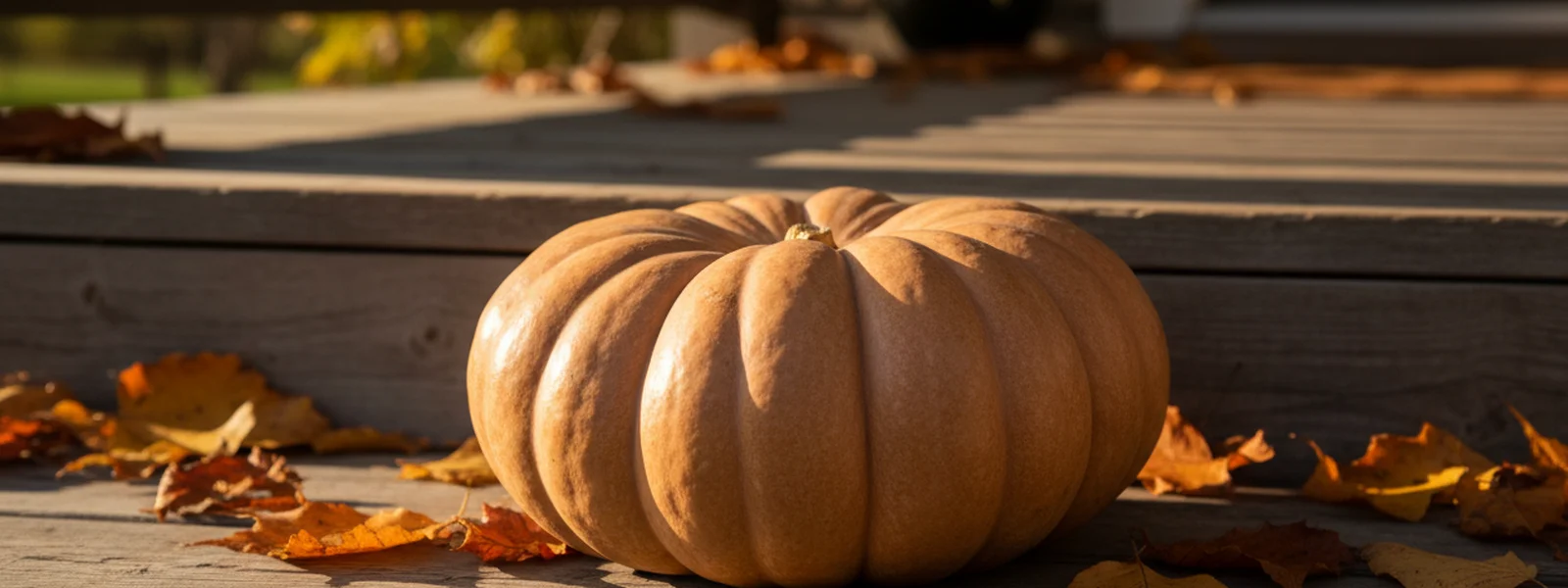
The most striking feature of the Long Island Cheese pumpkin is its shape and color. Unlike the classic round pumpkins, this variety is distinctly flattened and deeply ribbed, resembling a large wheel of cheese. Its rind matures to a beautiful tan or buff color, sometimes with hints of pale orange peeking through. This unique aesthetic makes it a captivating addition to any fall porch display, offering a visual departure from the usual orange.
The rind is also relatively thin, yet surprisingly durable, making it suitable for both culinary use and decorative purposes. The flesh inside is a pale orange to yellow, dense and stringy, with a sweet, nutty flavor that makes it an excellent candidate for pies and other baked goods. Its size typically ranges from 8 to 15 pounds, making it manageable for most kitchens.
If you're drawn to the unique character of varieties like the Long Island Cheese pumpkin, you'll love our Heirloom Pumpkin Shirts collection. Each design celebrates the distinct beauty of these special gourds.
Historical Significance and Origins
The Long Island Cheese pumpkin is believed to have originated in the United States, with its name strongly suggesting a connection to the Long Island region of New York. Historical records and seed catalogs from the late 19th and early 20th centuries often feature this variety, indicating its popularity among American gardeners during that era. It's thought to be a type of Cucurbita moschata, a species known for its rich flavor and good storage qualities, often referred to as a 'winter squash' rather than a true pumpkin.
Its heritage as an American heirloom squash means it has a lineage tied to the agricultural practices and culinary traditions of the past. Unlike modern hybrid varieties bred for uniformity or disease resistance, heirlooms like the Long Island Cheese pumpkin offer a glimpse into what was grown and eaten generations ago. Preserving these varieties is crucial for maintaining agricultural biodiversity and for savoring flavors that might otherwise be lost.
Celebrate this unique American heirloom with our Long Island Cheese Pumpkin Illustration T-Shirt. It's designed for those who appreciate the history and distinct look of this special variety.
Growing the Long Island Cheese Pumpkin
Cultivating the Long Island Cheese pumpkin is a rewarding experience for any home gardener. These plants thrive in full sun and well-drained soil, much like other pumpkins and winter squash. They are relatively easy to grow, though they do require ample space as the vines can spread quite far. Planting seeds directly into the ground after the last frost is the most common method.
When it comes to care, consistent watering is key, especially during the initial growth stages and fruit development. Mulching around the base of the plant can help retain moisture and suppress weeds. Keep an eye out for common pests and diseases, though this variety is generally considered quite hardy. Harvesting should occur in the fall, before the first hard frost, when the rind has fully hardened and the stem begins to dry. A good thump should produce a hollow sound, indicating ripeness.
For more insights into different pumpkin types and how to care for them, our Pumpkin Guide offers a wealth of information for every pumpkin enthusiast.
Culinary Uses: More Than Just Pie
While its name suggests pie, the long island cheese pumpkin is incredibly versatile in the kitchen. Its dense, sweet flesh bakes beautifully, making it a superb choice for pies, custards, and breads. The flavor is often described as richer and more complex than that of standard pie pumpkins, with a subtle nuttiness that complements spices like cinnamon, nutmeg, and ginger perfectly.
Beyond traditional baked goods, this heirloom pie pumpkin can be used in savory dishes as well. Roasted chunks can be added to salads or grain bowls, pureed into soups or risotto, or even incorporated into pasta sauces. Because of its lower water content compared to some other squash, it holds its shape well when roasted, offering a delightful texture. When cooking, it's often recommended to cut it in half, scoop out the seeds, and roast it cut-side down on a baking sheet until tender.
Tips for Using Long Island Cheese Pumpkins in Recipes
- Roasting: Cut the pumpkin in half, scoop out seeds and strings, drizzle with oil, and roast cut-side down at 400°F (200°C) until fork-tender.
- Pureeing: Once roasted and cooled, scoop the flesh from the rind and mash or blend until smooth. This puree is ready for pies, soups, or baking.
- Seeds: Don't discard the seeds! Clean them, toss with a little oil and salt, and roast until crispy for a delicious snack.
- Storage: Cured Long Island Cheese pumpkins can be stored in a cool, dry place for several months, making them a great option for fall and winter cooking.
For those who appreciate the finer details of heirloom varieties, our Heirloom Pumpkin Botanical Print Sweatshirt captures the elegance of these special gourds.
A Flat Pumpkin Variety for the Discerning Palate
The term flat pumpkin variety might not be common parlance for everyone, but for those in the know, it signifies a departure from the ordinary. The Long Island Cheese pumpkin embodies this category, offering a unique shape and a flavor profile that delights. Its historical significance as an American heirloom adds another layer of appeal, connecting us to the agricultural roots of the country.
When selecting a pumpkin for culinary purposes, especially for pies, the variety matters. While many pumpkins can be used, heirlooms like the Long Island Cheese often provide a superior flavor and texture. They are a testament to the diversity of nature and the value of preserving these special genetic lines for future generations to enjoy. Its distinctive look and rich taste make it a standout in any fall harvest.
The Enduring Appeal of Heirloom Pumpkins
In a world often dominated by uniformity, heirloom varieties like the Long Island Cheese pumpkin offer a refreshing connection to the past and to the natural world. They remind us that there is beauty and flavor in diversity, and that sometimes, the most interesting things are found off the beaten path. Whether you're a gardener, a cook, or simply someone who loves the aesthetic of fall, this pumpkin has a story to tell.
Incorporating this American heirloom squash into your fall traditions, whether on your porch or in your kitchen, is a way to celebrate history, savor unique flavors, and appreciate the incredible variety that pumpkins offer. It’s more than just a squash; it’s a piece of living history, ready to be shared and enjoyed.
Explore our full collection of All Pumpkin Shirts to find designs that celebrate every aspect of pumpkin season, from heirlooms to jack-o'-lanterns.
Frequently Asked Questions About the Long Island Cheese Pumpkin

Published by Pumpkin Shirts
The pumpkin is the point.
Frequently Asked Questions
What makes the Long Island Cheese pumpkin unique?
The Long Island Cheese pumpkin is unique due to its distinctive flattened, ribbed shape and tan or buff-colored rind, which sets it apart from the typical round, orange pumpkins. Its flesh is dense and sweet, making it excellent for culinary uses.
Is the Long Island Cheese pumpkin good for pie?
Yes, the Long Island Cheese pumpkin is highly regarded as an heirloom pie pumpkin. Its dense, sweet, and slightly nutty flesh bakes beautifully, offering a rich flavor that is often preferred over standard pie pumpkins.
Where did the Long Island Cheese pumpkin originate?
The name suggests it originated in the Long Island region of New York. It is considered an American heirloom variety, with historical records dating back to the late 19th and early 20th centuries.
How do you grow a Long Island Cheese pumpkin?
These pumpkins thrive in full sun and well-drained soil, requiring ample space for their vines. Plant seeds after the last frost, ensure consistent watering, and harvest in the fall before the first hard frost when the rind is hardened.
Can you use the Long Island Cheese pumpkin for decoration?
Absolutely. Its unique flattened shape and tan rind make the Long Island Cheese pumpkin a beautiful and distinctive decorative element for fall porches and home decor, offering a more subtle aesthetic than bright orange pumpkins.
What is the difference between a pumpkin and a winter squash like the Long Island Cheese?
While often called a pumpkin, the Long Island Cheese is botanically a type of winter squash (Cucurbita moschata). True pumpkins are typically Cucurbita pepo. Winter squash varieties like this one often have denser flesh, sweeter flavor, and better storage capabilities.
First Look at New Pumpkin Designs
New illustrations, patch stories, and heirloom variety guides — straight to your inbox before anyone else sees them.