
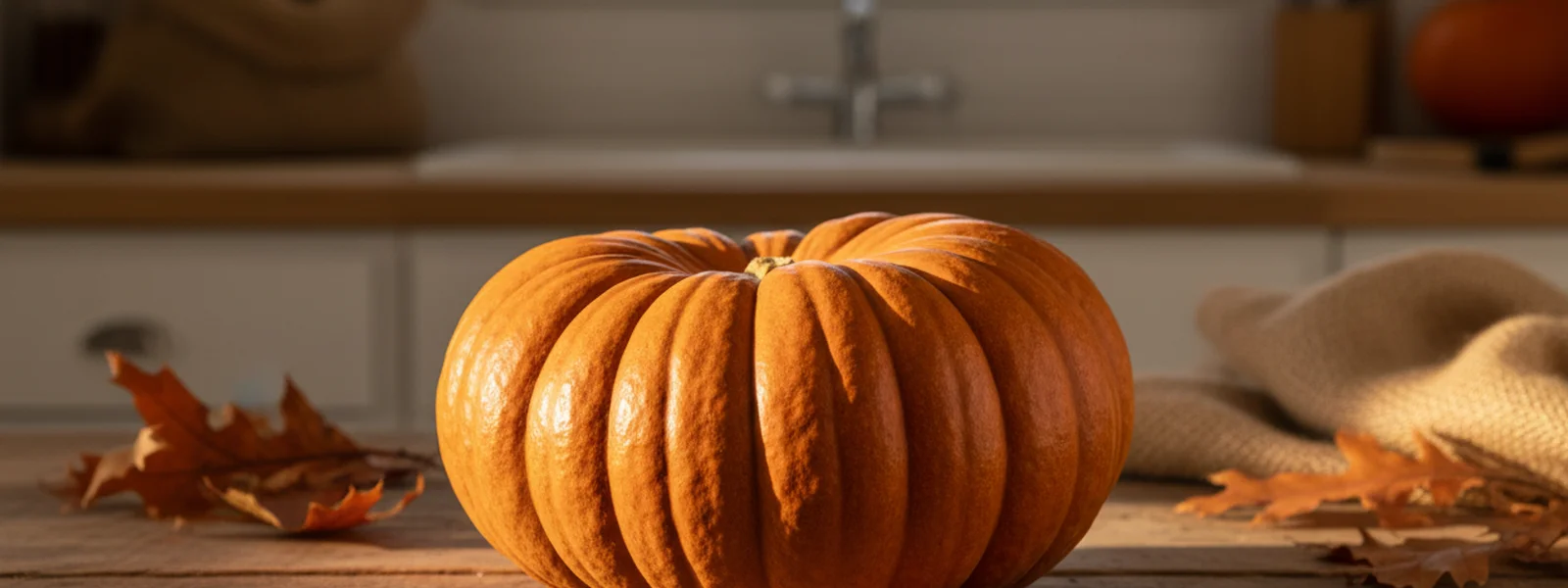
The Dickinson Pumpkin: An Old-Fashioned Heirloom for Canning and Pies
In the world of pumpkins, we often think of the big, bright orange ones destined for carving or the smaller, decorative gourds that grace our porches. But tucked away in the heirloom varieties is the Dickinson pumpkin, a true workhorse of the autumn harvest. This particular squash holds a special place in culinary history, particularly for its role in commercial canning and its reliable performance in traditional pie recipes. If you're looking for an authentic taste of fall, understanding the Dickinson pumpkin is a delicious place to start.
The story of the Dickinson pumpkin is one of practicality and tradition. While it might not have the dramatic flair of a Cinderella or the striking color of a Jarrahdale, its value lies in its consistent flesh and superior texture for processing. It’s a variety that has been trusted by farmers and home cooks for generations, a testament to its enduring quality. When you encounter a can of pumpkin puree or a slice of classic pumpkin pie, there’s a good chance the Dickinson pumpkin played a starring role in its creation.
A Legacy in Processing: The Canning Champion
The Dickinson pumpkin is renowned for its significant role in the commercial pumpkin processing industry. For decades, it has been a favored variety for canning facilities due to its dense, fibrous flesh that yields a smooth, consistent puree. Unlike some other pumpkins that can be watery or stringy, the Dickinson offers a reliable texture that makes it ideal for large-scale production. This consistency is crucial for food manufacturers who need to ensure a uniform product every time.
Commercial canners often select pumpkins based on specific criteria: flesh thickness, dry matter content, sugar levels, and ease of processing. The Dickinson pumpkin generally scores well across these metrics. Its flesh is a deep, rich orange, packed with flavor and a good amount of solids, which translates to a fuller, more robust pumpkin puree. This makes it a preferred choice for brands that aim for that authentic, homemade pumpkin taste in their canned goods.
When you choose a product made with Dickinson pumpkin, you're tapping into a long lineage of agricultural and culinary tradition. It represents a commitment to quality and a time-tested method of preserving the essence of fall. It’s a reminder that some of the most important ingredients are the ones that work reliably behind the scenes, forming the foundation for so many of our favorite seasonal dishes.
The Dickinson Pumpkin for Your Kitchen
While its commercial applications are impressive, the Dickinson pumpkin is also a fantastic choice for the home cook. Its dense flesh cooks down beautifully, making it perfect for pies, breads, muffins, and soups. The flavor is rich and slightly sweet, with that classic pumpkin essence that we associate with autumn. It’s a versatile squash that can elevate many of your favorite fall recipes.
When selecting a Dickinson pumpkin, look for one that feels heavy for its size and has a firm, unblemished rind. The skin should be a deep, solid orange, though some minor scarring from its growth is perfectly normal. Avoid any pumpkins with soft spots or signs of mold, as these indicate the pumpkin is past its prime.
Preparing a Dickinson pumpkin for cooking is straightforward. First, slice it in half and scoop out the seeds and stringy bits. You can roast the halves cut-side down on a baking sheet at around 400°F (200°C) until fork-tender, which typically takes 45-60 minutes depending on size. Alternatively, you can cut it into manageable chunks, remove the seeds, and then roast or steam them. The cooked flesh can then be mashed or pureed and used in any recipe calling for pumpkin.
Growing Your Own Dickinson Pumpkin
For the dedicated gardener, growing the Dickinson pumpkin can be a rewarding experience. This variety is known for being relatively easy to cultivate, thriving in warm weather and well-drained soil. It produces large vines that can spread considerably, so ensure you give them ample space to grow.
The seeds germinate best when planted after the last frost, with soil temperatures ideally around 70°F (21°C). Like most pumpkins, they require consistent watering, especially as the fruits develop, and benefit from rich, compost-amended soil. The pumpkins themselves are typically medium to large in size, with a flattened globe shape and a pale, ribbed rind that deepens to a rich orange as they mature. They usually mature in about 100-120 days, so plan your planting accordingly to harvest them before the first hard frost.
Harvesting your Dickinson pumpkins at the right time is key to ensuring they store well and have the best flavor. Look for a deep orange color, a hardened rind, and a dried-up stem. Once harvested, cure them in a warm, dry place for about 10-14 days to further harden the rind and improve their storage life. This preparation makes them ideal for keeping throughout the fall and even into the winter months.
Beyond the Pie: Culinary Versatility
While Dickinson pumpkins are celebrated for pie, their utility extends far beyond. Their dense, flavorful flesh makes them an excellent base for savory dishes. Imagine a creamy Dickinson pumpkin soup, seasoned with sage and a hint of nutmeg, or a hearty risotto where the pumpkin adds a subtle sweetness and vibrant color. They also lend themselves beautifully to baking projects, from moist muffins and dense quick breads to even homemade pasta dough.
The slightly earthy, sweet flavor profile of the Dickinson pumpkin pairs wonderfully with warm spices like cinnamon, ginger, and cloves, but also holds its own against savory herbs such as rosemary and thyme. This adaptability makes it a valuable ingredient to have on hand during the fall harvest season. Consider experimenting with roasted Dickinson pumpkin cubes tossed with olive oil and herbs as a side dish, or purée it to create a flavorful base for a hearty stew.
For those who appreciate the nuances of heirloom varieties, the Dickinson pumpkin offers a connection to a more traditional way of cooking and eating. It’s a reminder of the bounty of the harvest and the simple pleasure of preparing food from scratch. If you're looking to deepen your connection to seasonal cooking, exploring recipes with this versatile squash is a wonderful path to take.
A Note on Heirloom Varieties and Shirts
At Pumpkin Shirts, we celebrate the full spectrum of pumpkin culture, from the practicalities of canning to the beauty of heirloom varieties. Our Heirloom Pumpkin Shirts collection features designs that highlight the unique charm of pumpkins like the Dickinson, Cinderella, and Jarrahdale. These shirts are for the true pumpkin enthusiasts who appreciate the diversity and history behind this beloved fall symbol.
Each illustration is carefully crafted to capture the essence of these special pumpkins, offering a stylish way to show your love for the harvest season. Whether you're heading to the patch or just enjoying a crisp autumn day, our shirts are designed to be as comfortable and enduring as the pumpkins themselves. Explore our range of designs, from botanical portraits to more whimsical takes on classic jack-o'-lanterns, and find the perfect piece to express your autumn spirit.
The Dickinson pumpkin, with its rich history and culinary prowess, is more than just a squash; it’s a symbol of the season’s generosity and the enduring appeal of traditional flavors. It reminds us that sometimes, the most valuable things are those that have stood the test of time, providing comfort and sustenance year after year. We encourage you to seek out this wonderful heirloom and experience its unique contribution to your fall kitchen.
For those who appreciate the unique qualities of heirloom pumpkins, our Heirloom Pumpkin Shirts collection offers a way to carry that appreciation with you. Designs like our botanical illustrations celebrate the distinct shapes and histories of varieties such as the Dickinson. They are perfect for anyone who loves the rich heritage of fall produce and wants to wear their passion with pride.
If you're inspired to cook with this incredible variety, consider our Recipe Ideas for more ways to incorporate seasonal favorites into your kitchen. And for the perfect patch-day outfit, be sure to check out our Pumpkin Patch Shirts collection, featuring designs that capture the spirit of the season.

Published by Pumpkin Shirts
The pumpkin is the point.
Frequently Asked Questions
What makes the Dickinson pumpkin ideal for canning?
The Dickinson pumpkin is ideal for canning due to its dense, fibrous flesh that yields a smooth, consistent puree. It has a good dry matter content and flavor, making it a reliable choice for large-scale food processing and ensuring a uniform product.
How do I prepare a Dickinson pumpkin for cooking?
To prepare a Dickinson pumpkin, slice it in half, scoop out the seeds and stringy bits, and roast it cut-side down at around 400°F (200°C) until fork-tender. Alternatively, you can steam it or cut it into chunks before roasting. The cooked flesh can then be mashed or puréed for recipes.
What is the best way to grow Dickinson pumpkins?
Dickinson pumpkins thrive in warm weather and well-drained soil. Plant seeds after the last frost in soil around 70°F (21°C). They require consistent watering and ample space for their large vines to grow. Harvest when the rind is hardened and the stem is dry.
Can I use a Dickinson pumpkin for pie?
Yes, the Dickinson pumpkin is an excellent choice for pie. Its rich, slightly sweet flavor and dense flesh create a delicious and traditional pumpkin pie filling. It’s a reliable variety for achieving that classic autumn taste.
What other dishes can I make with a Dickinson pumpkin?
Beyond pies, Dickinson pumpkins are versatile. Their dense flesh works well in savory dishes like soups and risottos, and in baked goods such as muffins and breads. Roasted cubes also make a wonderful side dish seasoned with herbs.
How can I tell if a Dickinson pumpkin is ripe?
A ripe Dickinson pumpkin will have a deep orange color and a hardened rind. The stem should be dried out. It should also feel heavy for its size. Avoid any pumpkins with soft spots or signs of decay.
First Look at New Pumpkin Designs
New illustrations, patch stories, and heirloom variety guides — straight to your inbox before anyone else sees them.