
Cultivating Your Own Patch: A Comprehensive Guide to Growing Heirloom Pumpkins
There's a special kind of satisfaction that comes from growing your own food, and for many, that journey culminates in the harvest of a beautiful, unique pumpkin. While the common carving varieties are readily available, the world of heirloom pumpkins offers a stunning array of colors, shapes, and flavors that can transform your fall garden and kitchen. This guide will walk you through everything you need to know about cultivating these special gourds, from selecting the right seeds to enjoying your own homegrown bounty.
Embarking on your own pumpkin gardening tips adventure with heirloom varieties means embracing the diversity of this beloved squash. Unlike the uniform orange globes you see everywhere, heirlooms come in shades of deep blue, creamy white, speckled green, and even striped patterns. They are often richer in flavor, making them culinary stars beyond just decoration. The process of growing them connects you directly to the harvest season, offering a truly rewarding experience.
Choosing Your Heirloom Varieties
The first step in growing heirloom pumpkins is selecting which ones to plant. This is where the fun truly begins, as the options are vast and exciting. Consider what you hope to achieve: are you looking for stunning porch decor, exceptional pie-making capabilities, or perhaps a unique culinary ingredient?
For Decoration: The Showstoppers
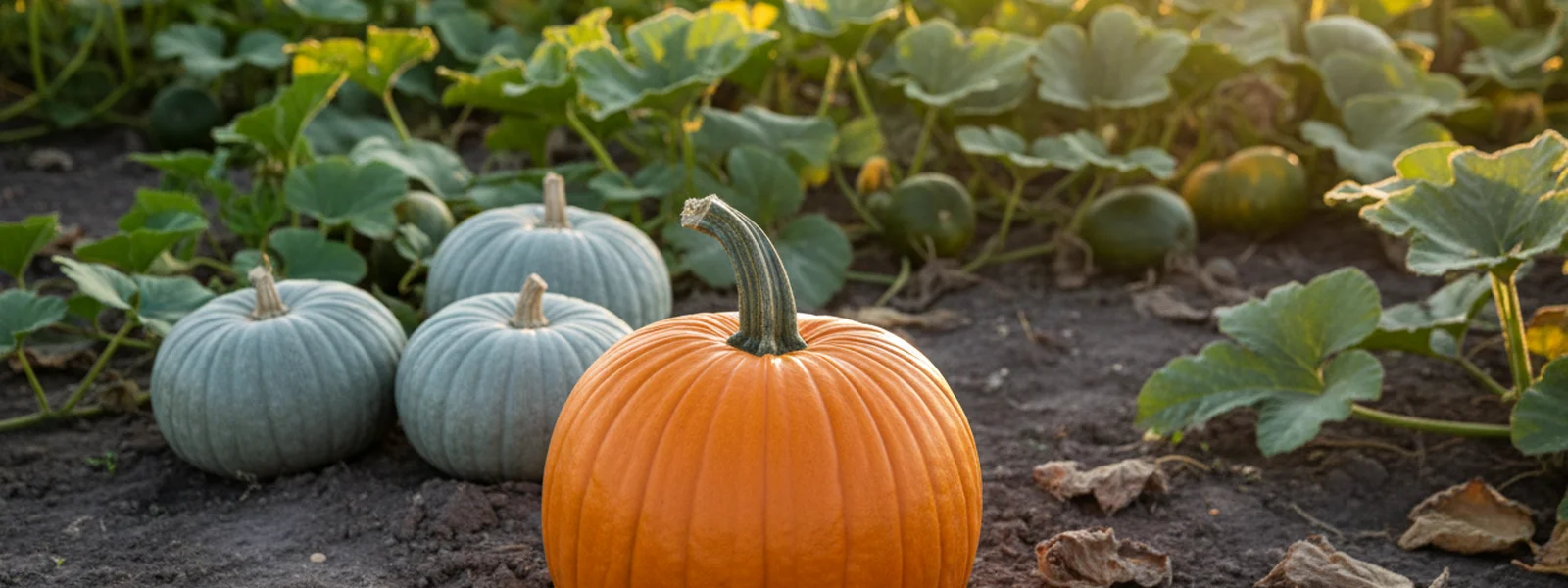
If visual appeal is your priority, several heirloom varieties are unparalleled. The 'Cinderella' pumpkin, also known as 'Rouge Vif d'Etampes', is a French heirloom with a flattened shape, deep ribs, and a vibrant, almost-red orange hue. It looks like it stepped right out of a fairytale illustration. Then there's the 'Jarrahdale', a striking Australian native with a powdery blue-grey skin and a flattened, ribbed form that makes a sophisticated statement on any doorstep. For something truly unique, consider the 'Fairytale' pumpkin, which boasts a tan, slightly warted skin and a sweet, nutty flavor, often producing large, flattened fruits.
Explore our Heirloom Pumpkin Shirts collection, featuring elegant botanical illustrations inspired by these unique varieties.
For the Kitchen: Flavorful Heirlooms
While many decorative pumpkins can be eaten, some heirlooms are specifically prized for their superior taste and texture. The 'Kabocha' squash, a Japanese heirloom, is dense, sweet, and nutty, making it perfect for roasting, soups, and curries. As mentioned, the 'Cinderella' and 'Fairytale' varieties are also excellent for cooking. For pies, many gardeners swear by smaller, denser pumpkins like the 'Sugar Pie' or 'New England Pie' pumpkin, which have less watery flesh and a richer flavor profile than standard carving pumpkins.
Discover our Pumpkin Spice Shirts, perfect for celebrating the flavors of the season.
From Seed to Sprout: Planting Your Pumpkins
Once you've chosen your rare pumpkin seeds, it's time to get them in the ground. Pumpkins are warm-season crops that thrive in full sun and need plenty of space to grow. They are typically direct-sown after the last frost date in your region, as they are very sensitive to cold.
Soil Preparation
Pumpkins are heavy feeders and require rich, well-draining soil. Amend your garden bed generously with compost or well-rotted manure. Aim for a soil pH between 6.0 and 6.8. If you have heavy clay soil, consider building raised beds or incorporating plenty of organic matter to improve drainage and aeration. This foundational step is crucial for successful pumpkin gardening tips.
Planting Time and Spacing
Consult your local frost dates. Pumpkins need at least 90-120 days of frost-free weather to mature, depending on the variety. Sow seeds about 1 inch deep and 1-2 inches apart. Give them ample room to spread; vining varieties can sprawl up to 20 feet, while bush varieties still need several feet between plants. For vining types, plant 2-3 seeds per mound or hole, and thin to the strongest seedling once they have a couple of true leaves. This ensures you have the best chance for a healthy plant.
Caring for Your Growing Pumpkins
With seeds in the ground, your primary job shifts to nurturing your pumpkin plants as they grow. Consistent watering, feeding, and pest management are key to a bountiful harvest.
Watering Needs
Pumpkins require consistent moisture, especially during flowering and fruit development. Water deeply at the base of the plant, aiming for about 1-2 inches of water per week, more during hot, dry spells. Avoid overhead watering, which can encourage fungal diseases. Mulching around the base of the plants helps retain soil moisture and suppress weeds.
Feeding Your Plants
As heavy feeders, pumpkins benefit from regular fertilization. Start with compost-rich soil. Once vines begin to run and when flowers appear, you can supplement with a balanced organic fertilizer or one slightly higher in phosphorus to encourage flowering and fruiting. Follow package directions carefully to avoid over-fertilizing, which can harm the plants.
Pest and Disease Management
Common pests include squash bugs, vine borers, and cucumber beetles. Row covers can offer protection for young seedlings, and hand-picking pests is an effective method for smaller infestations. For vine borers, inspect the base of the vines regularly and remove any signs of infestation. Powdery mildew is a common disease, especially in humid conditions. Ensure good air circulation, water at the base, and remove affected leaves promptly. Organic fungicides can be used as a preventative measure.
For those who love the classic look, our Classic Jack-o-Lantern Face T-Shirt is a perfect everyday choice.
Pollination and Fruit Set
Pumpkins rely on pollinators, primarily bees, to transfer pollen from male to female flowers. You'll notice male flowers first, followed by female flowers which have a small, immature pumpkin at their base. If you have trouble with fruit set, you can hand-pollinate. Use a small brush or cotton swab to collect pollen from a male flower and gently transfer it to the stigma of a female flower. This ensures that your pumpkins have the best chance to develop.
Harvesting Your Pumpkin Bounty
The culmination of your gardening efforts is the harvest. Knowing when and how to pick your pumpkins is crucial for both their beauty and their edibility.
When to Harvest
The best indicator of ripeness is the stem. For most pumpkin varieties, the stem will become hard and woody. The rind should also be tough and difficult to puncture with a fingernail. For decorative pumpkins, color is a good indicator – they will have reached their mature hue. For pie pumpkins, allowing them to mature fully on the vine develops their sweetness and flavor. Harvest before the first hard frost, as frost can damage the fruit.
How to Harvest
When harvesting, use a sharp knife or pruning shears to cut the stem, leaving about 2-3 inches of stem attached to the pumpkin. This stem is important for the pumpkin's storage life and appearance. Avoid carrying pumpkins by the stem, as it can break off, leading to faster spoilage. Handle them carefully to avoid bruising, as any damage can reduce their shelf life.
If you're inspired to carve, our Jack-o'-Lantern Shirts collection features designs perfect for the season.
Curing and Storing Your Pumpkins
Proper curing and storage can significantly extend the life of your homegrown pumpkins, allowing you to enjoy them for weeks, or even months, after harvest.
Curing
Curing is a process that hardens the pumpkin's skin and heals any minor scratches or blemishes, making them more durable for storage. Most heirloom varieties benefit from curing. Place harvested pumpkins in a warm, dry, sunny spot for 10-14 days. Ensure good air circulation. This step is particularly important for pumpkins intended for eating.
Storage
Once cured, store pumpkins in a cool, dry place with good ventilation. Ideal temperatures are between 50-55°F (10-13°C). Avoid storing them in damp areas or where they might freeze. Place them on shelves or racks rather than directly on the floor, and ensure they are not touching each other to prevent rot from spreading. Properly stored, many heirloom pumpkins can last through the winter months.
For a touch of playful spookiness, consider our Classic Jack O' Lantern Face T-Shirt.
Beyond Decoration: Culinary Uses
The satisfaction of growing your own pumpkins extends far beyond their visual appeal. The unique flavors and textures of heirloom varieties can elevate your fall cooking.
Roasting and Baking
Roasting is a fantastic way to bring out the natural sweetness of pumpkins. Cut them in half, scoop out the seeds (save them for roasting!), and roast cut-side down on a baking sheet until tender. The flesh can then be pureed for pies, soups, muffins, or breads. Remember that the best pumpkin for pie is often a smaller, denser heirloom variety.
Savory Dishes
Don't limit yourself to sweet treats. Pumpkin can be a wonderful addition to savory dishes. Consider pureed pumpkin stirred into risotto, roasted pumpkin cubes added to salads, or a hearty pumpkin soup seasoned with warming spices. The subtle sweetness pairs beautifully with ingredients like sage, rosemary, and Parmesan cheese.
Looking for more inspiration? Check out our Pumpkin Spice Shirts and related recipes for more ways to enjoy the season's flavors.
The Gardener's Reward: A Harvest to Cherish
Growing heirloom pumpkins is a deeply rewarding experience that connects you to the earth and the traditions of the harvest season. From selecting unique seeds to harvesting a visually stunning and flavorful crop, the journey is as delightful as the destination. Whether destined for a festive porch display or a delicious meal, your homegrown heirlooms are a testament to your gardening efforts and a beautiful celebration of fall.
Complete your fall look with our curated selection of Fall Style guides and apparel.

Published by Pumpkin Shirts
The pumpkin is the point.
Frequently Asked Questions
What are the best heirloom pumpkin varieties for decoration?
For stunning visual appeal, consider varieties like 'Cinderella' (Rouge Vif d'Etampes) with its vibrant orange, flattened shape, or 'Jarrahdale' with its unique blue-grey skin. 'Fairytale' pumpkins also make a beautiful decorative statement.
Which heirloom pumpkins are best for pies and cooking?
Smaller, denser heirlooms like 'Sugar Pie', 'New England Pie', or even the 'Cinderella' and 'Kabocha' varieties are excellent for culinary uses. They offer richer flavor and less watery flesh compared to standard carving pumpkins.
How much space do heirloom pumpkins need?
Pumpkins are space-intensive. Vining varieties can sprawl up to 20 feet, so ensure ample room. Bush varieties still require several feet between plants. Proper spacing is crucial for air circulation and healthy growth.
When is the best time to plant heirloom pumpkin seeds?
Heirloom pumpkins are warm-season crops and should be direct-sown after all danger of frost has passed in your area. They need at least 90-120 frost-free days to mature, so check your local climate's last frost date.
How do I know when my heirloom pumpkins are ready to harvest?
Look for a hard, woody stem and a tough rind that resists scratching with a fingernail. The pumpkin should have reached its mature color. Harvesting before the first hard frost is essential to prevent damage.
How should I store homegrown heirloom pumpkins?
After curing them in a warm, dry spot for 10-14 days, store pumpkins in a cool (50-55°F), dry place with good ventilation. Avoid dampness and freezing. Proper storage can extend their life for months.
First Look at New Pumpkin Designs
New illustrations, patch stories, and heirloom variety guides — straight to your inbox before anyone else sees them.