
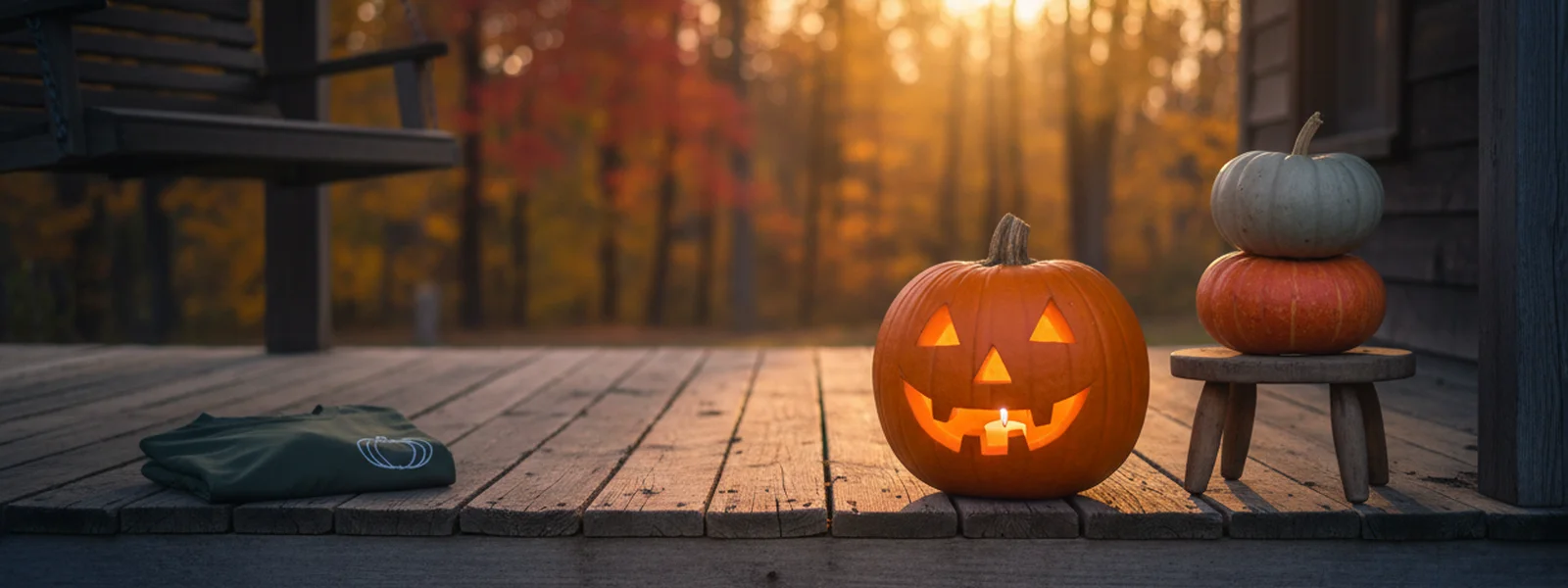
The Roots of the Jack-o'-Lantern: From Irish Folklore to American Icon
The familiar glow of a carved pumpkin on a doorstep is a quintessential part of autumn, especially around Halloween. But have you ever wondered where this tradition actually comes from? The history of the jack-o'-lantern is a fascinating journey, stretching back centuries and weaving through ancient folklore before finding its modern home in the American pumpkin patch. The story begins not with pumpkins, but with turnips and potatoes, in the misty landscapes of Ireland.
At its core, the tradition of carving faces into vegetables to ward off spirits or light the way is deeply rooted in Irish folklore, most famously in the legend of Stingy Jack. This tale, passed down through generations, tells of a cunning but wicked man named Jack who tricked the Devil multiple times. In one version, he convinced the Devil to never claim his soul. However, when Jack eventually died, neither Heaven nor Hell would accept him, leaving him to wander the Earth for eternity.
The Legend of Stingy Jack
According to the legend, the Devil, angered by Jack's tricks, cursed him to roam the earth as a lost soul. As Jack wandered in the darkness, he asked the Devil for a light to guide his way. The Devil grudgingly gave him a burning coal from the fires of Hell. Jack placed this coal inside a hollowed-out turnip he had been carrying and continued his lonely journey. The turnip, lit from within by the fiery coal, became a lantern, and Jack, eternally wandering, became known as "Jack of the Lantern," or "Jack-o'-Lantern." This spectral figure was said to carry his makeshift lantern to light his path and, some say, to lure other unwary travelers astray.
In Ireland and Scotland, people began carving frightening faces into turnips, potatoes, or rutabagas and placing a candle or ember inside. The intention was twofold: to resemble Stingy Jack's lantern and, more importantly, to ward off evil spirits or the malevolent soul of Jack himself, particularly on the night of Samhain, the ancient Celtic festival that marked the end of summer and the harvest and the beginning of the dark, cold winter. Samhain was a time when the veil between the worlds of the living and the dead was believed to be at its thinnest, making it a night for spirits to roam freely.
Migration to America and the Rise of the Pumpkin
When Irish immigrants began arriving in America in large numbers, they brought their traditions with them. They discovered that pumpkins, a native squash to North America, were far larger and easier to carve than turnips. The native pumpkin quickly became the preferred gourd for this emerging tradition. The visual of a large, glowing pumpkin carved with a spooky face was a natural fit for the burgeoning American Halloween celebrations, which blended European customs with new world influences.
The symbolism also began to shift. While the initial intent was to ward off evil spirits, the carved pumpkin evolved into a more festive symbol of Halloween itself. The frightening faces were often meant to mimic or scare away ghosts and ghouls, transforming the jack-o'-lantern from a protective charm into a playful, albeit sometimes spooky, decoration. The tradition of carving became a popular activity, especially for children, and the image of the jack-o'-lantern became synonymous with trick-or-treating and haunted houses.
Evolving Symbolism and Modern Traditions
Throughout the 19th and 20th centuries, the jack-o'-lantern cemented its place in popular culture. It transitioned from a folk custom to a widely recognized Halloween icon. The designs evolved from simple, crude faces to elaborate, artistic creations, showcasing a wide range of expressions from comical to terrifying. Today, the jack-o'-lantern is more than just a decoration; it represents the spirit of the season, a blend of harvest bounty and playful spookiness.
The practice of carving pumpkins is a beloved ritual for many families, a chance to be creative and embrace the fun of Halloween. Whether you're aiming for a classic carved face or a more intricate design, the process connects us to a long history of storytelling and tradition. It’s a reminder that even the simplest autumn decoration has a rich past, full of folklore and cultural evolution.
Beyond Halloween: The Enduring Appeal
While most strongly associated with Halloween, the jack-o'-lantern and the broader pumpkin tradition have a lifespan that extends through the entire fall season. For those who love the harvest and the crisp autumn air, the jack-o'-lantern is just one part of a larger celebration of pumpkins. Many people, like those who appreciate the unique charm of heirloom pumpkin varieties, find joy in the aesthetic appeal of pumpkins long after the candy has been distributed.
From the pale orange of a Cinderella pumpkin to the deep blue-grey of a Jarrahdale, the variety of pumpkins available offers a rich palette for both decoration and culinary exploration. The spirit of carving, of giving a pumpkin personality, can be extended to appreciating its form and flavor. For instance, understanding different heirloom varieties can open up a world of possibilities for both porch displays and delicious recipes.
At Pumpkin Shirts, we celebrate every aspect of pumpkin culture, from the spooky carved jack-o'-lanterns that light up our porches to the elegant botanical illustrations of heirloom varieties. Our jack-o'-lantern shirts capture the playful and sometimes eerie spirit of carved pumpkins, while our heirloom collections honor the beauty and diversity of these incredible gourds. Whether you're a seasoned carver or simply love the cozy fall aesthetic, there's a pumpkin design for you.
A Nod to Tradition in Your Wardrobe
The history of the jack-o'-lantern is a testament to how traditions evolve and adapt. What started as a turnip lantern to ward off spirits in Irish folklore has transformed into a globally recognized symbol of Halloween and autumn. It’s a story that connects us to our past, to the changing seasons, and to the simple joy of a glowing face on a dark night.
When you choose a pumpkin shirt from Pumpkin Shirts, you're not just wearing a design; you're wearing a piece of that history. Our Classic Jack-o'-Lantern Face T-Shirt, for example, directly references the iconic carved pumpkin, a nod to the tradition of lighting up the night. It’s perfect for anyone who loves the spooky side of fall, echoing the historical purpose of these carved gourds.
Even designs that focus on the pumpkin spice aspect or the charm of a pumpkin patch carry echoes of this deeper history. The pumpkin itself, as a symbol of harvest and transition, has always been central. Understanding the origins of the jack-o'-lantern adds another layer of appreciation for this beloved autumn icon.
Carving Tips and Cultural Connections
For those inspired to create their own glowing masterpieces, remember that the right pumpkin makes all the difference. Our guide on How to Pick the Perfect Pumpkin for Carving (and Eating!) offers tips on selecting the best gourds for both decoration and culinary use, ensuring your jack-o'-lantern is as functional as it is frightening or festive.
The jack-o'-lantern's journey from a humble carved turnip to the ubiquitous symbol it is today is a story of cultural exchange, adaptation, and enduring human fascination with the mysterious and the festive. It’s a tradition that continues to light up our autumn nights, connecting us to ancient tales and the simple joy of a glowing face.
Our Classic Jack-o'-Lantern Face T-Shirt is a perfect way to celebrate this tradition, featuring a friendly yet classic carved face that embodies the spirit of Halloween.
Explore our full Jack-o'-Lantern Shirts collection to find designs that capture the essence of carved pumpkins, from simple and classic to delightfully spooky.
For those who appreciate the diversity of pumpkins beyond carving, our Heirloom Pumpkin Shirts showcase the unique beauty of varieties like Cinderella and Jarrahdale.
And for those who adore the cozy flavors of fall, our Pumpkin Spice Shirts capture the essence of the season's most beloved scent and taste.
If your heart belongs to the crisp air and colorful leaves of the patch, our Pumpkin Patch Shirts are designed for your autumn adventures.

Published by Pumpkin Shirts
The pumpkin is the point.
Frequently Asked Questions
What is the legend of Stingy Jack?
The legend of Stingy Jack is an old Irish folktale about a man who tricked the Devil. When Jack died, he was refused entry into both Heaven and Hell and was doomed to wander the Earth forever with a burning coal inside a hollowed-out turnip to light his way, thus becoming 'Jack of the Lantern' or Jack-o'-Lantern.
Why did people start carving turnips and pumpkins?
Carving faces into turnips and later pumpkins, and placing a light inside, originated from the legend of Stingy Jack. It was believed to ward off evil spirits and the soul of Jack himself, especially during the ancient Celtic festival of Samhain, which is a precursor to modern Halloween.
When did pumpkins become associated with jack-o'-lanterns?
Pumpkins became associated with jack-o'-lanterns when Irish immigrants brought their traditions to North America. They found that pumpkins, native to the continent, were larger and easier to carve than turnips, making them the ideal substitute for their traditional lanterns.
What was the original purpose of a jack-o'-lantern?
The original purpose of the jack-o'-lantern was to ward off evil spirits and to represent the wandering soul of Stingy Jack. It served as a protective charm and a way to light the path during the night of Samhain.
How has the jack-o'-lantern tradition evolved?
The tradition has evolved from a folk custom focused on warding off spirits to a festive symbol of Halloween and autumn. Designs have become more elaborate, and carving pumpkins is now a popular activity for families, blending folklore with creative expression.
Are jack-o'-lanterns only for Halloween?
While most strongly associated with Halloween, the tradition of carving and displaying pumpkins extends into the broader fall season. Many appreciate pumpkins as harvest symbols and decorative elements throughout September and November, long after Halloween has passed.
First Look at New Pumpkin Designs
New illustrations, patch stories, and heirloom variety guides — straight to your inbox before anyone else sees them.