
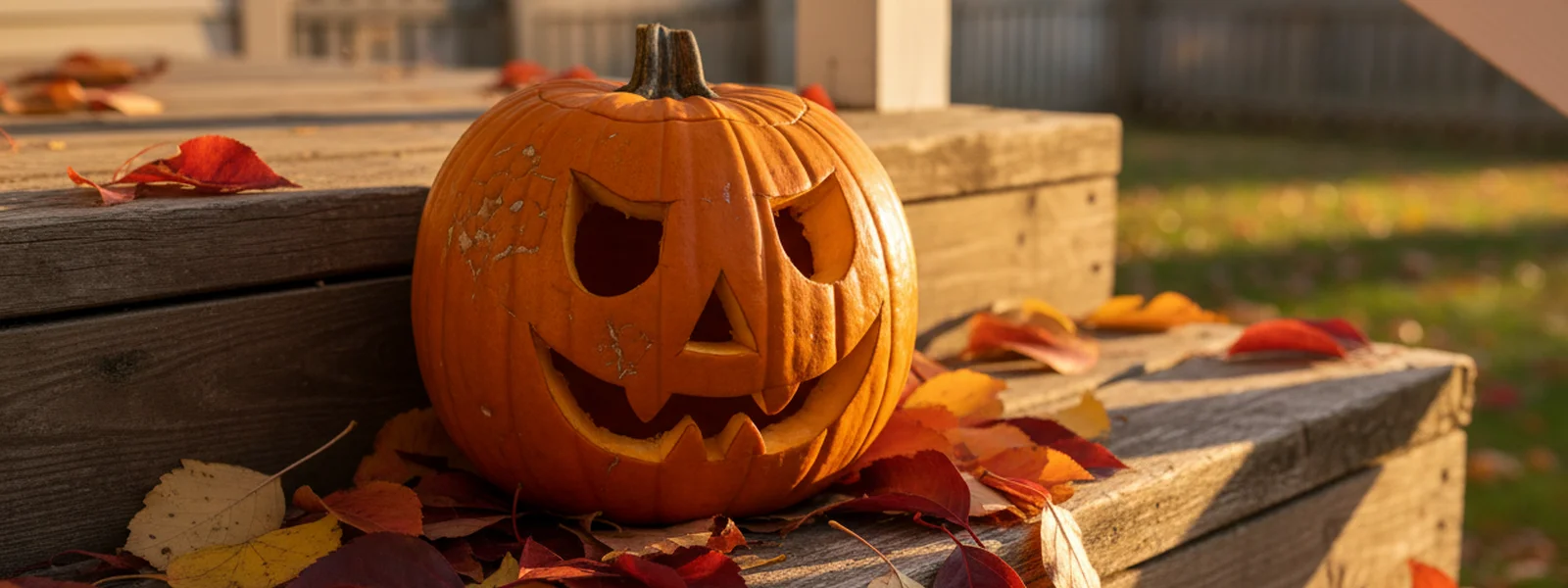
The Great Pumpkin Purge: What to Do With Your Halloween Jack-o'-Lantern After November 1
The jack-o'-lantern has served its purpose. It greeted trick-or-treaters, guarded the porch with its flickering candle-glow, and embodied the spirit of Halloween. But as November dawns, that carved pumpkin starts to look less festive and more… well, mushy. So, what do you do with your post-Halloween pumpkin? Don't just let it become sidewalk mush. There are plenty of practical and eco-friendly ways to handle your carved pumpkin after the big night.
Composting Your Pumpkin: Nourishing Your Garden for Next Season
The most environmentally sound and beneficial option for your carved pumpkin is composting. Pumpkins are organic matter, and when they break down, they return valuable nutrients to the soil. If you have a compost bin, simply scoop out the insides (seeds and all!) and toss the pumpkin flesh into the mix. Break it up into smaller pieces to speed up the decomposition process. This is a fantastic way to enrich your garden soil for the upcoming spring planting season.
For those without a dedicated compost bin, consider a "compost pile" in a designated corner of your yard. Layer pumpkin scraps with fallen leaves, grass clippings, and other yard waste. This natural process will break down the pumpkin over time, creating nutrient-rich compost that can be spread around your trees, shrubs, or garden beds. It’s a simple, effective way to repurpose your pumpkin and reduce waste.
If you're looking for a more hands-on approach to composting, you can even try "pumpkin vermicomposting" with worms. While not all worms can handle large amounts of pumpkin, red wigglers can process it in a worm bin. Just ensure you chop the pumpkin into small pieces first. This method accelerates decomposition and yields high-quality worm castings, which are gold for any gardener.
Repurposing Pumpkins: Beyond the Compost Bin
Composting is excellent, but what if you want to get a little more creative or practical with your post-Halloween pumpkin? There are several other avenues to explore:
Feeding the Wildlife
Birds and small backyard critters can benefit from your leftover pumpkin. After scooping out the insides and seeds, you can place the remains of your pumpkin in your yard. Squirrels, raccoons, and various bird species are often drawn to the pulp and seeds. Ensure you remove any wax or paint if you decorated your pumpkin, as these can be harmful to wildlife. It’s a way to give back to nature while still dealing with your pumpkin.
Culinary Uses (Yes, Really!)
While the carved jack-o'-lantern itself might not be ideal for eating due to potential contaminants from carving tools or exposure, the seeds and any uncarved portions of a *different* pumpkin can still be utilized. If you have an uncarved culinary pumpkin, like a sugar pumpkin or a Cinderella variety, you can still roast its seeds or use the flesh for recipes. For instance, our Heirloom Pumpkin Shirts often feature illustrations of varieties like the Cinderella, which are excellent for pies and soups. You can roast the seeds from your decorative pumpkin after thoroughly washing them, though their texture might be a bit softer than those from a culinary variety. It’s a bit of a gamble, but a fun experiment for the adventurous.
Pumpkin Repurposing Ideas
Beyond food, consider these other creative uses:
- Bird Feeder: Cut a pumpkin in half, scoop it out, and fill the cavity with birdseed. Hang it from a tree branch for a rustic, natural bird feeder.
- Craft Project Base: If you have smaller decorative pumpkins or gourds, they can serve as bases for fall-themed craft projects, like painting them or turning them into decorative centerpieces.
- Seed Saving: If you grew your own pumpkin or used a variety known for its seeds (like Cinderella or Sugar Pie), save some of the clean, dried seeds for planting next year.
These methods extend the life and usefulness of your pumpkin, turning it from a simple decoration into something more.
Safe Disposal of Carved Pumpkins
When it's time to say goodbye, ensure you're disposing of your carved pumpkin safely and responsibly. Avoid simply leaving it on the curb where it can attract pests or create a mess. If you're composting, as mentioned, break it down. If you're placing it in the yard for wildlife, do so away from your main living areas. If you must discard it in the trash, ensure it's bagged to prevent leakage and odor.
For those who carved elaborate designs, remember that the structural integrity of the pumpkin is compromised. It will break down more quickly than an intact pumpkin. Our Carving Tips collection, while focusing on the creation of the jack-o'-lantern, also touches on the ephemeral nature of these creations. Understanding that your carved masterpiece is temporary helps in accepting its eventual return to the earth.
If you're already thinking about next year's masterpiece, consider selecting a pumpkin variety known for its durability or one that's easier to carve. Varieties like the 'Jack O'Lantern' hybrid are bred for carving, but heirlooms like the Cinderella can also be surprisingly robust. For those interested in the lifecycle of these fascinating fruits, exploring our blog post on how to carve a pumpkin that won't rot in 48 hours might offer insights for future carving endeavors.
Ultimately, deciding what to do with your old pumpkin is about making a choice that benefits you and the environment. Whether it’s enriching your garden through composting, providing a snack for local wildlife, or simply being disposed of cleanly, your post-Halloween pumpkin can still have a purpose.

Published by Pumpkin Shirts
The pumpkin is the point.
Frequently Asked Questions
Can I compost my carved Halloween pumpkin?
Yes, absolutely! Carved pumpkins are excellent for composting. Scoop out the insides and toss the flesh into your compost bin or pile. Break it into smaller pieces to speed up decomposition and enrich your soil for the next growing season.
Are there other ways to repurpose a pumpkin besides composting?
Certainly. You can offer your pumpkin remains to local wildlife like birds and squirrels, or use it as a base for a rustic bird feeder filled with seeds. If you have uncarved culinary pumpkins, you can still use their seeds and flesh for recipes.
How do I safely dispose of a carved pumpkin?
It's best to avoid simply leaving it on the curb. If composting isn't an option, bag the pumpkin to prevent leaks and odors before placing it in the trash. If putting it in the yard for wildlife, do so away from your living spaces.
What's the best way to prepare a pumpkin for composting?
After scooping out the seeds and pulp, break the pumpkin into smaller chunks. This increases the surface area, allowing microbes and insects to break it down more efficiently in your compost system.
Can I use my carved pumpkin seeds for planting?
While you can try, it's generally not recommended for seeds from carved pumpkins. The carving process and exposure can affect viability. It's better to save seeds from fresh, uncarved culinary pumpkins for planting next year.
How long does it take for a pumpkin to decompose?
The decomposition time varies greatly depending on the conditions. In a compost bin with good aeration and moisture, a pumpkin can break down in a few weeks to a couple of months. Left out in the elements, it might take longer and can become quite messy.
First Look at New Pumpkin Designs
New illustrations, patch stories, and heirloom variety guides — straight to your inbox before anyone else sees them.