
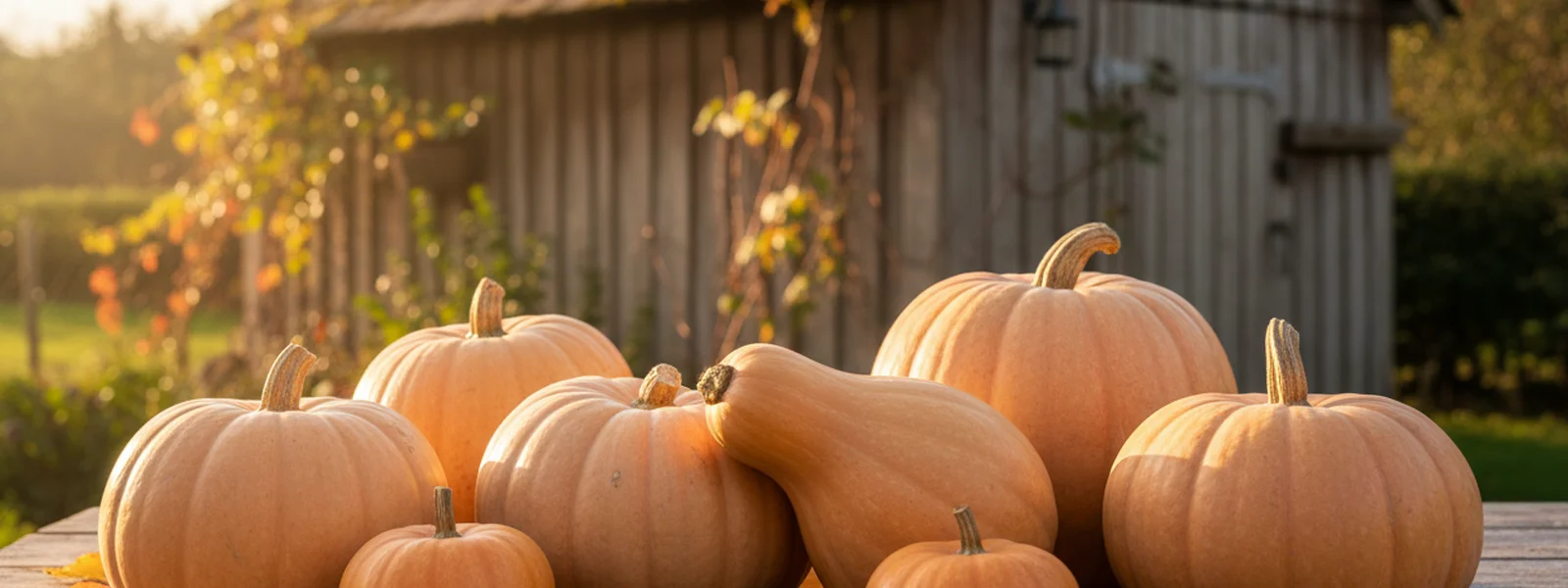
Cultivating Your Own Fairytale: A Guide to Growing Cinderella Pumpkins
There's a special kind of magic in growing your own pumpkins, and the Cinderella pumpkin, with its deep ribs and charmingly pale orange hue, offers a touch of fairytale enchantment right in your garden. This French heirloom variety is as beautiful to look at as it is rewarding to cultivate. If you’re dreaming of a porch adorned with these stunning gourds or envisioning them as the star of your fall decor, then learning how to grow Cinderella pumpkins is your first step toward that dream. This guide will walk you through everything you need to know, from selecting the right spot to harvesting your own fairytale treasures.
Choosing the Perfect Spot and Preparing Your Soil
Cinderella pumpkins, much like their garden cousins, thrive in full sun and require ample space to spread their vines. Look for a location in your garden that receives at least 6-8 hours of direct sunlight daily. Good drainage is also crucial; pumpkins don't like sitting in waterlogged soil, which can lead to root rot.
Before planting, it's essential to amend your soil. Pumpkins are heavy feeders and benefit greatly from rich, fertile ground. Mix in a generous amount of compost or well-rotted manure. Aim for a soil pH between 6.0 and 6.8 for optimal nutrient uptake. You can test your soil's pH with a simple home kit. Preparing the soil thoroughly will give your Cinderella pumpkin seeds the best possible start.
Planting Your Cinderella Pumpkin Seeds
You have two main options for planting: direct sowing seeds outdoors after the last frost, or starting seeds indoors a few weeks prior. For direct sowing, wait until the soil has warmed up and all danger of frost has passed, typically late spring or early summer depending on your climate. Plant seeds about 1 inch deep and space them 6-10 feet apart, as pumpkin vines can grow quite long.
If you choose to start seeds indoors, use biodegradable pots (like peat pots) to minimize root disturbance when transplanting. Sow 2-3 seeds per pot, about 1 inch deep, in a seed-starting mix. Keep them in a warm spot and provide plenty of light. Once the seedlings have a couple of true leaves and the outdoor conditions are favorable, carefully transplant them into your prepared garden bed, spacing them as you would for direct-sown seeds. Remember, these heirloom pumpkins can get quite large, so give them room to roam.
Watering and Feeding for Healthy Growth
Consistent watering is key to healthy Cinderella pumpkin growth. Water deeply at the base of the plant, especially during dry spells, aiming for about 1-2 inches of water per week. Avoid overhead watering, as this can encourage fungal diseases. As the plants establish and begin to flower and fruit, you might need to increase watering frequency.
Feeding your plants will also contribute to robust growth and larger pumpkins. About a month after germination or transplanting, begin feeding your pumpkin plants with a balanced fertilizer or one slightly higher in phosphorus to encourage flowering and fruiting. A compost tea or a side dressing of compost can also provide essential nutrients. For those interested in culinary uses, remember that pumpkins grown with good care will have the best flavor. You can find more Fairytale Pumpkins: More Than Just a Pretty Face for additional culinary inspiration.
Pest and Disease Management
While Cinderella pumpkins are generally hardy, they can be susceptible to common garden pests and diseases. Keep an eye out for squash bugs, vine borers, and powdery mildew. Regular inspection of your plants is the best defense.
To combat pests, try companion planting with beneficial herbs or flowers, or use organic pest control methods like neem oil or insecticidal soap. For vine borers, inspect the base of the vines for small holes and remove the larvae if found. Powdery mildew, a common fungal issue, can often be managed by ensuring good air circulation around the plants, watering at the base, and applying a fungicide if necessary. Prompt action can prevent minor issues from becoming major problems. For a deeper dive into related varieties, check out our article on Jarrahdale: The Blue-Grey Australian Pumpkin That Steals Every Porch.
Pollination and Fruit Development
Pumpkins are pollinated by bees and other insects. If you notice flowers but no developing fruit, it might be a pollination issue. Hand-pollination can be an option if natural pollinators are scarce. To hand-pollinate, collect pollen from the male flower (which has a simple stem) and transfer it to the stigma of a female flower (which has a tiny, immature pumpkin at its base) using a small brush or cotton swab.
Once pollinated, the tiny pumpkin will begin to swell. This is where patience becomes a virtue. The Cinderella pumpkin's characteristic deep ribs will become more pronounced as it grows. It can take 90-120 days from planting for a pumpkin to reach maturity, depending on the specific variety and growing conditions. Watching them grow from small gourds into impressive specimens is one of the most rewarding parts of gardening.
Harvesting Your Cinderella Pumpkins
The best time to harvest your Cinderella pumpkins is when they are fully mature. You can tell they're ready when the rind has hardened to the point where you can't easily pierce it with your fingernail, the stem begins to dry and harden, and the color is a deep, even pale orange. For Cinderella pumpkins, this typically occurs in early to mid-fall, around 90-120 days after planting.
When harvesting, use a sharp knife or pruning shears to cut the stem, leaving about 2-4 inches of the stem attached to the pumpkin. This stem acts as a handle and helps the pumpkin last longer. Avoid carrying the pumpkin by its stem, as it can break off. If you're looking for shirts to celebrate this harvest, explore our Heirloom Pumpkin Shirts collection for designs that honor these unique varieties, or perhaps a Classic Jack-o-Lantern Face T-Shirt to complement your carved creations.
Curing and Storing Your Harvest
After harvesting, it's beneficial to "cure" your Cinderella pumpkins. Curing helps to harden the skin further and heal any small scratches, which extends their storage life. Place them in a warm, dry, well-ventilated spot for about 10-14 days. A sunny windowsill or a warm garage can work well. Ensure they aren't touching each other during this process.
Once cured, store your pumpkins in a cool, dry place with good air circulation. A root cellar, cool basement, or even a closet can be ideal. They can last for several months when stored properly. These beautiful gourds are perfect for decoration, and the smaller ones can even be used in recipes. For more on decorating with heirloom varieties, consider reading our article on Heirloom Pumpkins for Gardeners: From Seed to Stunning Harvest.
Growing Cinderella pumpkins is a journey that connects you with the earth and the season. From the first seed planted to the final cured gourd, it’s a rewarding experience that brings a touch of fairytale magic to your home. Whether you're decorating your porch or dreaming of future pies, these beautiful heirlooms are a testament to the simple joys of gardening.

Published by Pumpkin Shirts
The pumpkin is the point.
Frequently Asked Questions
When is the best time to plant Cinderella pumpkin seeds?
The best time to plant Cinderella pumpkin seeds is after the last frost when the soil has warmed up, typically in late spring or early summer. Ensure they receive at least 6-8 hours of direct sunlight daily.
How much space do Cinderella pumpkins need?
Cinderella pumpkins have long vines and require ample space. Plant seeds or seedlings about 6-10 feet apart to allow them plenty of room to spread.
What are the signs that a Cinderella pumpkin is ripe?
A ripe Cinderella pumpkin will have a hardened rind that you can't easily pierce with a fingernail, a drying and hardening stem, and a deep, even pale orange color. Maturity typically occurs 90-120 days after planting.
How can I prevent pests and diseases on my Cinderella pumpkins?
Regularly inspect your plants for pests like squash bugs and vine borers, and watch for signs of powdery mildew. Good air circulation, watering at the base, and organic pest control methods can help manage these issues.
How long do cured Cinderella pumpkins last?
When properly cured and stored in a cool, dry place with good air circulation, Cinderella pumpkins can last for several months, often up to three months or more.
Can I eat Cinderella pumpkins?
Yes, Cinderella pumpkins are edible! While they are highly prized for decoration due to their beautiful appearance, they also have good culinary qualities, making them suitable for pies, soups, and other dishes.
First Look at New Pumpkin Designs
New illustrations, patch stories, and heirloom variety guides — straight to your inbox before anyone else sees them.